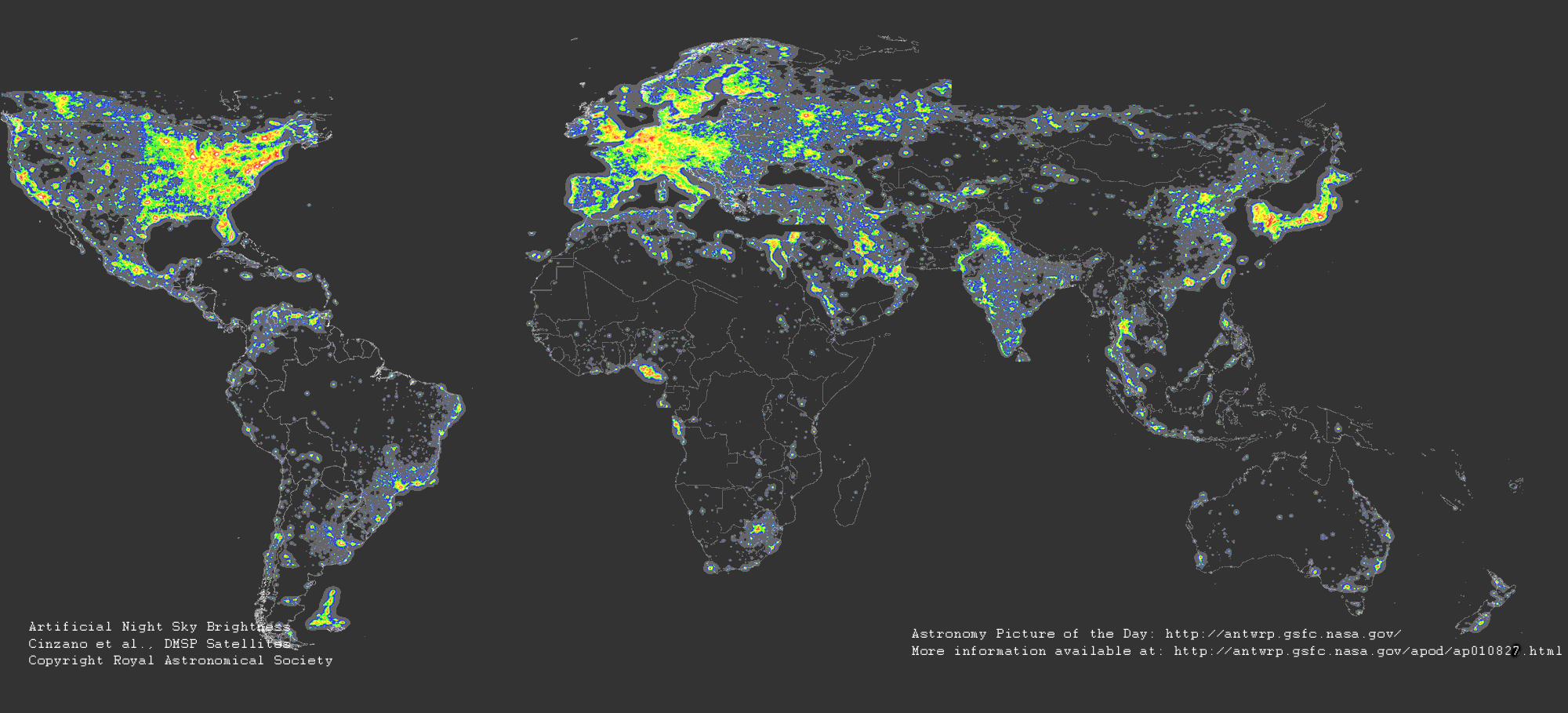
Where have all the dim stars gone? From many places on the Earth including major cities, the night sky has been reduced from a fascinating display of hundreds of stars to a diffuse glow through which only a handful of stars are visible. The above map indicates the relative amount of light pollution that occurs across the Earth. The cause of the pollution is artificial light reflecting off molecules and aerosols in the atmosphere. Parts of the Eastern United States and Western Europe colored red have an artificial night sky glow over nine times that of the natural sky. In any area marked orange or red, the central band of our Milky Way Galaxy is no longer visible. The International Dark Sky Association suggests common types of fixtures that provide relatively little amounts of light pollution.
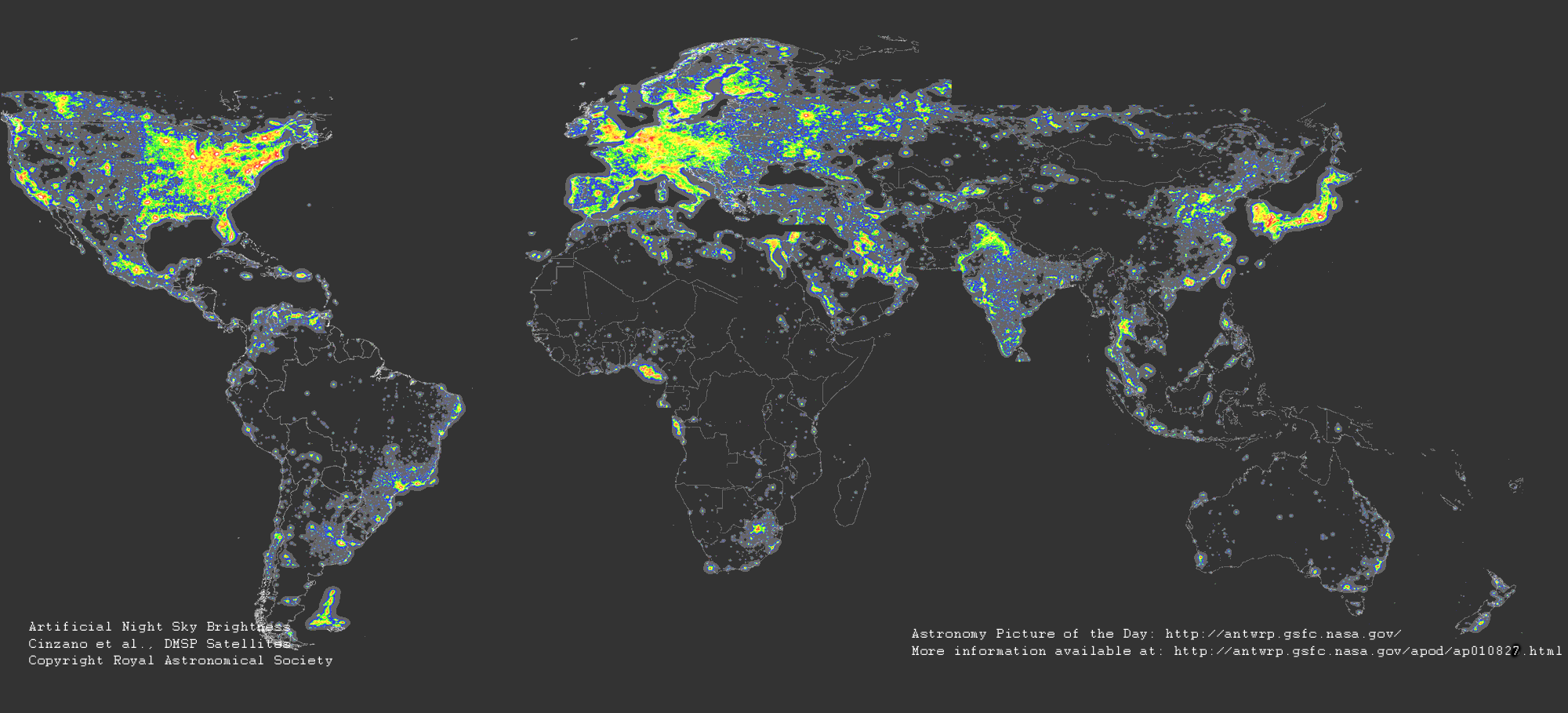
¿A dónde se han ido todas las estrellas débiles? Desde muchos lugares en la Tierra, incluyendo grandes ciudades, el cielo nocturno se ha reducido de un fascinante despliegue de cientos de estrellas a un brillo difuso a través del cual solo se ven un puñado de estrellas. El mapa anterior indica la cantidad relativa de contaminación lumínica que ocurre en la Tierra. La causa de la contaminación es la luz artificial reflejada en moléculas y aerosoles en la atmósfera. Partes del este de los Estados Unidos y el oeste de Europa, coloreadas de rojo, tienen un brillo nocturno artificial del cielo más de nueve veces mayor que el cielo natural. En cualquier área marcada en naranja o rojo, el cinturón central de nuestra Galaxia Vía Láctea ya no es visible. La Asociación Internacional del Cielo Oscuro sugiere tipos comunes de instalaciones que proporcionan cantidades relativamente pequeñas de contaminación lumínica.