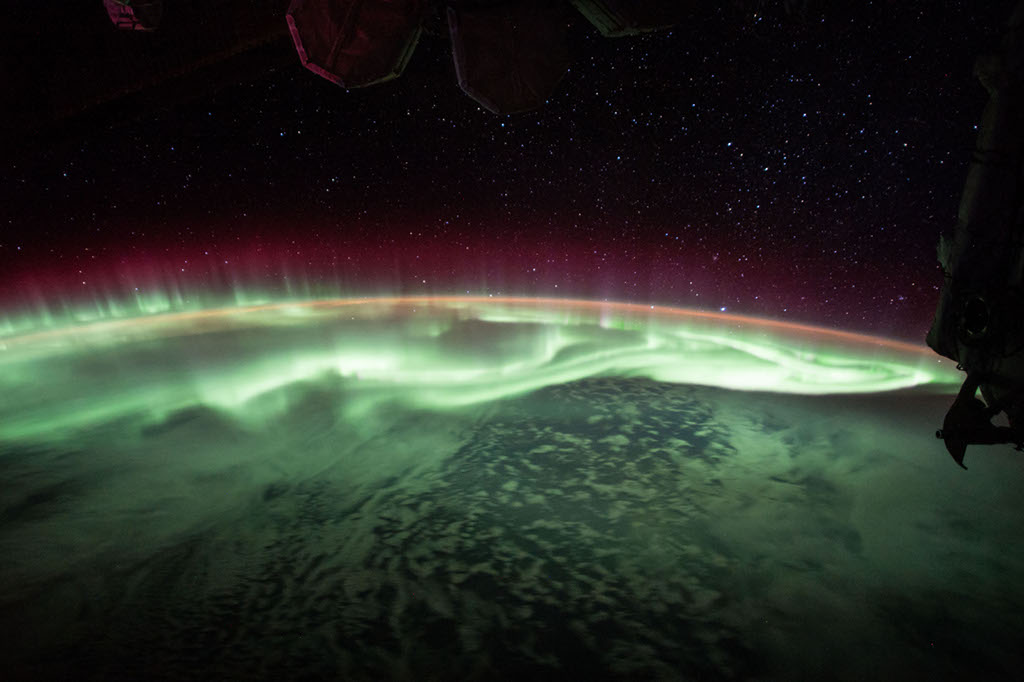
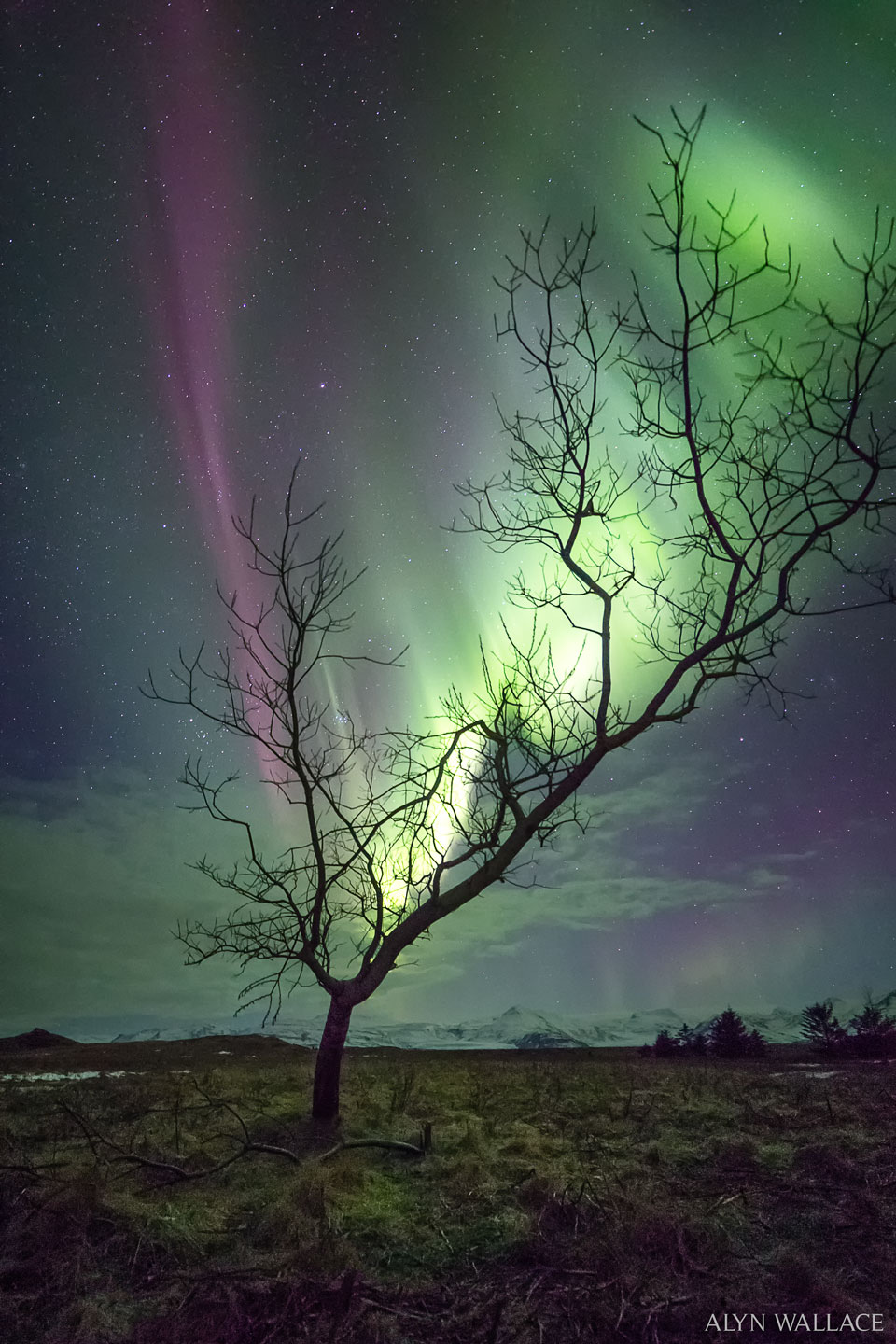
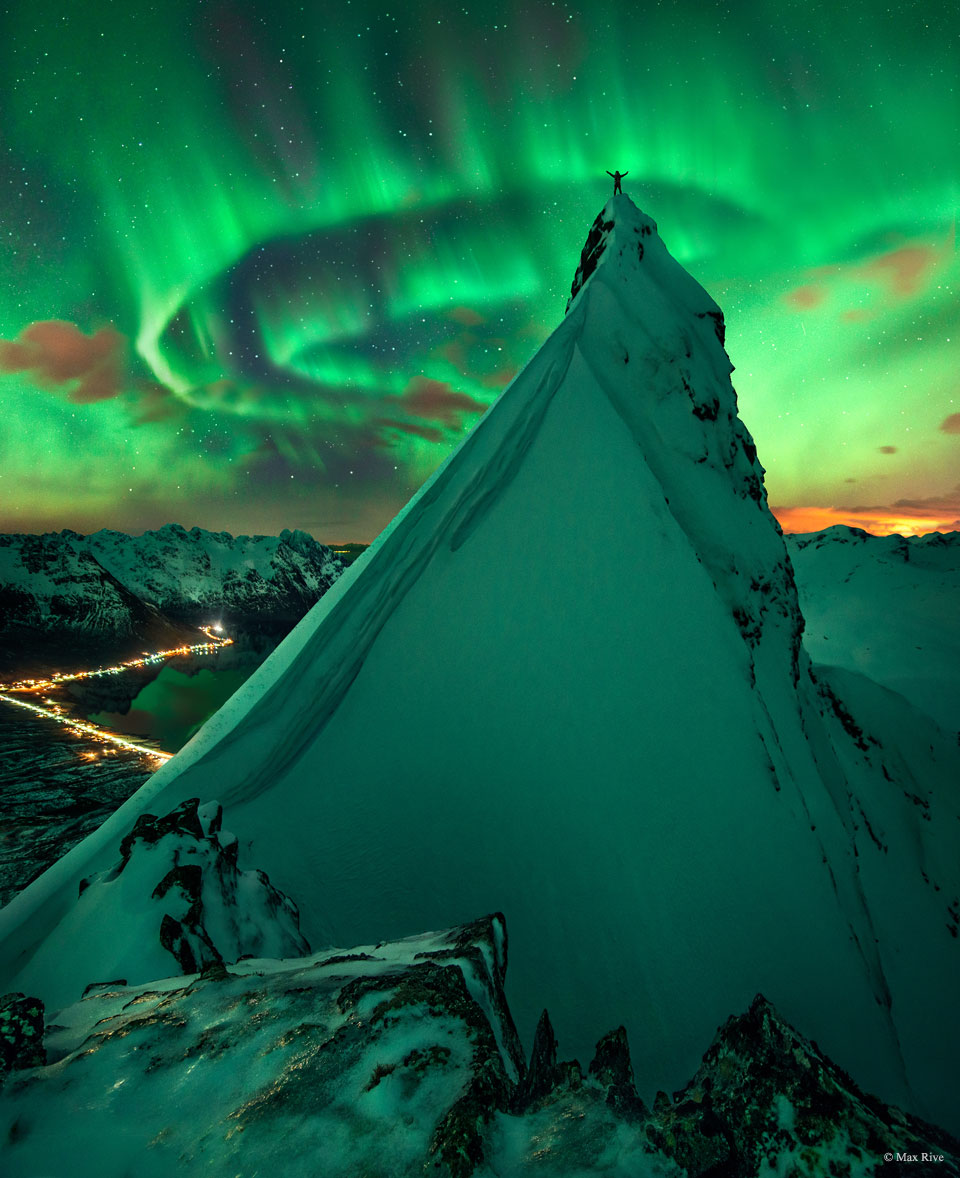
Have you ever seen an aurora? Auroras are occurring again with increasing frequency. With the Sun being unusually dormant over the past three years, the amount of Sun-induced auroras has also been unusually low. More recently, however, our Sun has become increasingly active and exhibiting a greater abundance of sunspots, flares, and coronal mass ejections. Solar activity like this typically expels charged particles into the Solar System, some of which may trigger Earthly auroras. As this year unfolded, the above timelapse displays of picturesque auroras were captured above Troms�, Norway. Curtains of auroral light, usually green, flow, shimmer and dance as energetic particles fall toward the Earth and ionize air molecules high up in the Earth's atmosphere. With solar maximum still in the future, there may be opportunities to see spectacular aurora personally over the next three years.
¿Alguna vez has visto una aurora? Las auroras están ocurriendo nuevamente con mayor frecuencia. Debido a que el Sol ha estado inusualmente inactivo durante los últimos tres años, la cantidad de auroras inducidas por el Sol también ha sido inusualmente baja. Sin embargo, recientemente nuestro Sol ha mostrado una mayor actividad, con un número creciente de manchas solares, erupciones y eyecciones de masa coronal. Actividad solar como esta típicamente expulsa partículas cargadas hacia el Sistema Solar, algunas de las cuales pueden provocar auroras en la Tierra. A lo largo de este año, se capturaron las siguientes imágenes en movimiento de auroras pintorescas sobre Tromsø, Noruega. Cortinas de luz auroral, normalmente de color verde, fluyen, centellean y bailan a medida que partículas energéticas caen hacia la Tierra y ionizan moléculas de aire a gran altura en la atmósfera terrestre. Con el máximo solar aún por llegar, es posible que haya oportunidades para ver personalmente espectaculares auroras durante los próximos tres años.