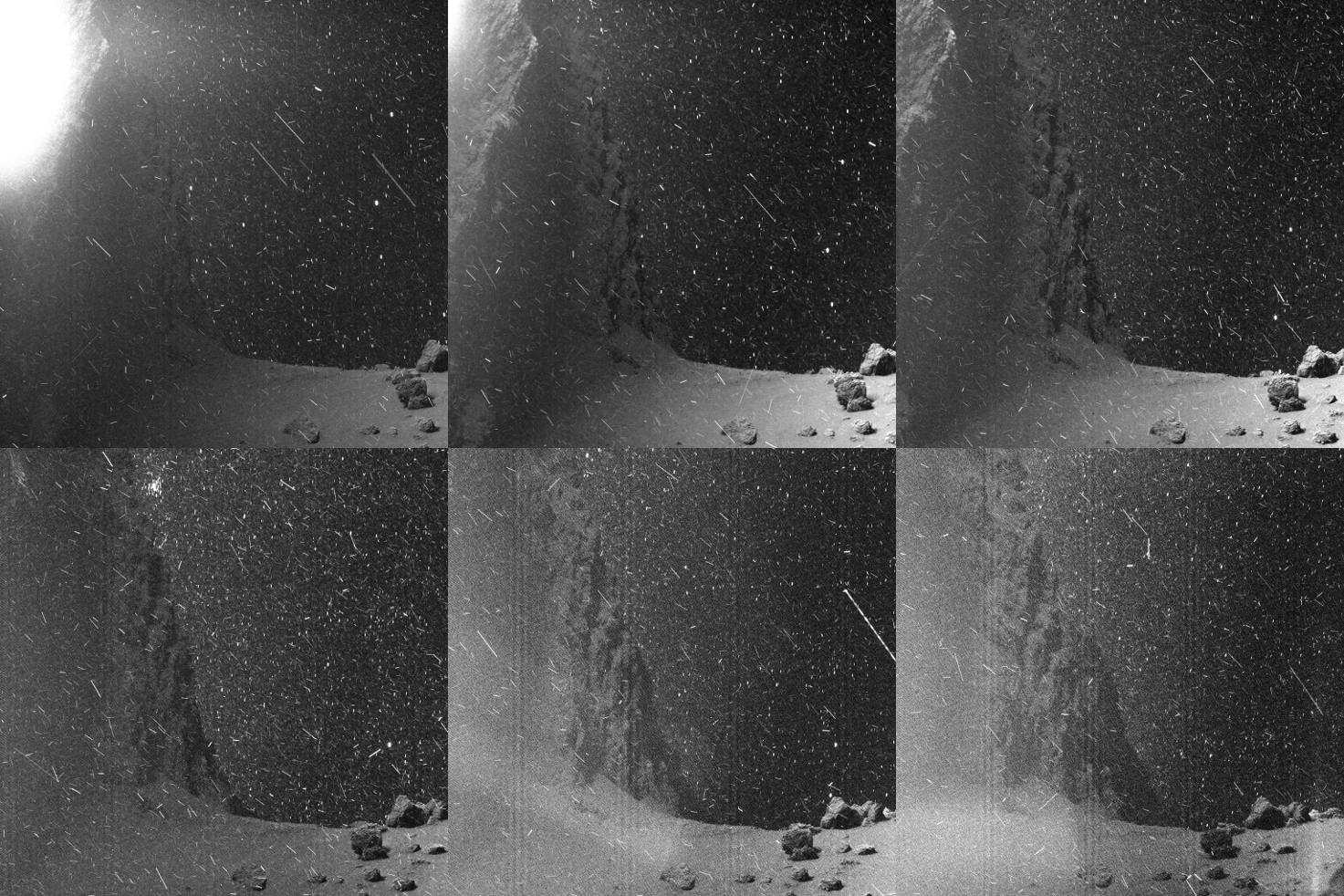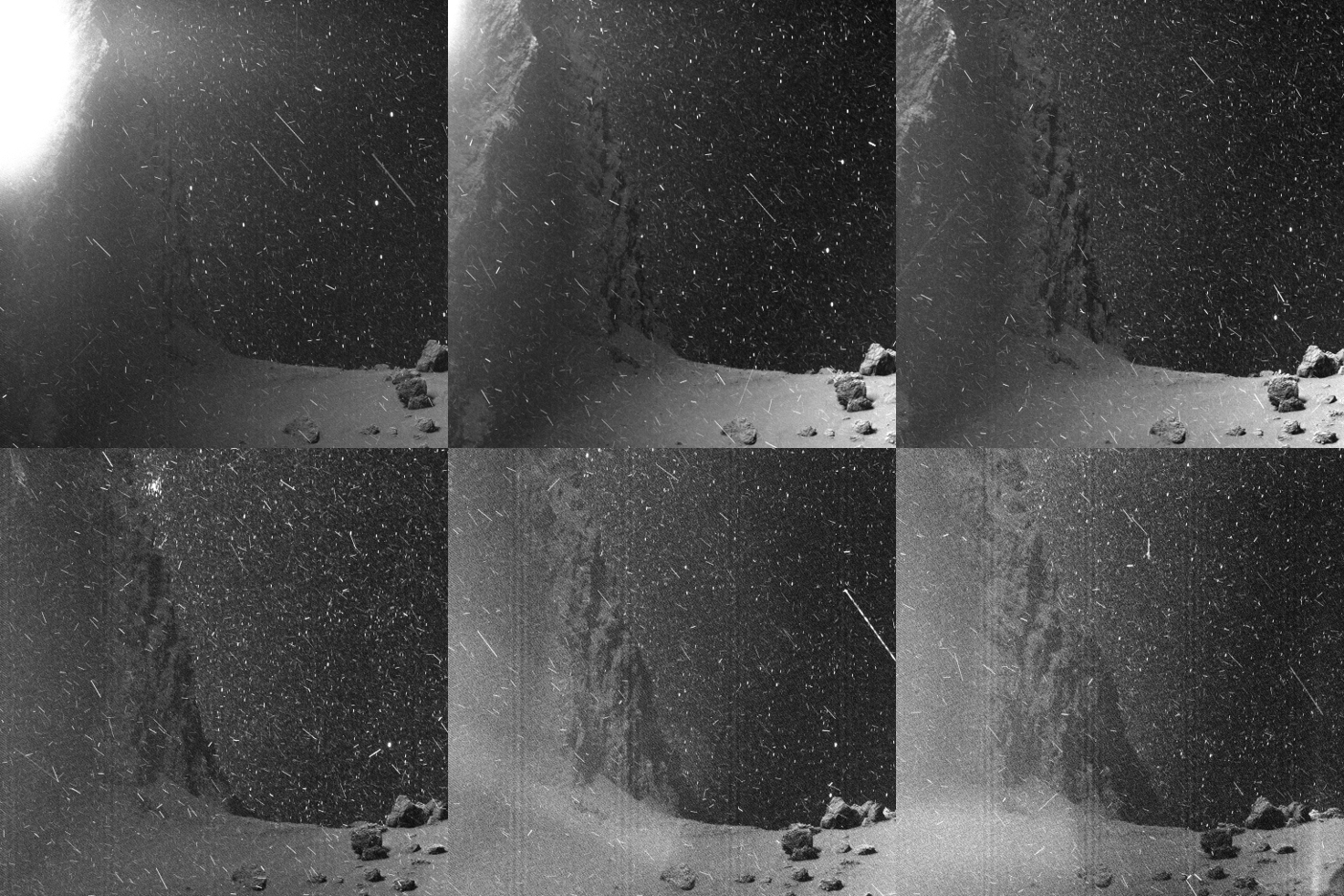
You couldn't really be caught in this blizzard while standing by a cliff on Churyumov-Gerasimenko, also known as comet 67P. Orbiting the comet in June of 2016 the Rosetta spacecraft's narrow angle camera did record streaks of dust and ice particles though, as they drifted across the field of view near the camera and above the comet's surface. Some of the bright specks in the scene are likely due to a rain of energetic charged particles or cosmic rays hitting the camera, and the dense background of stars in the direction of the constellation Canis Major. Click on this single frame to play and the background stars are easy to spot trailing from top to bottom in an animated gif (7.7MB). The 33 frames of the time compressed animation span about 25 minutes of real time. The stunning gif was constructed from consecutive images taken while Rosetta cruised some 13 kilometers from the comet's nucleus.
Crédito: ESA/Rosetta/NAVCAM, CC BY-SA IGO 3.0 Algunos de los puntos brillantes en la escena probablemente se deban a una lluvia de partículas cargadas energéticas o rayos cósmicos que golpean la cámara, y al fondo denso de estrellas en la dirección de la constelación de Canis Major. Haz clic en esta imagen individual para reproducir y las estrellas de fondo son fáciles de identificar, trazando desde la parte superior hasta la inferior en una animación en formato gif (7.7MB). Las 33 imágenes de la animación comprimida en el tiempo abarcan aproximadamente 25 minutos de tiempo real. La impresionante animación fue construida a partir de imágenes consecutivas tomadas mientras Rosetta navegaba a unos 13 kilómetros del núcleo del cometa.