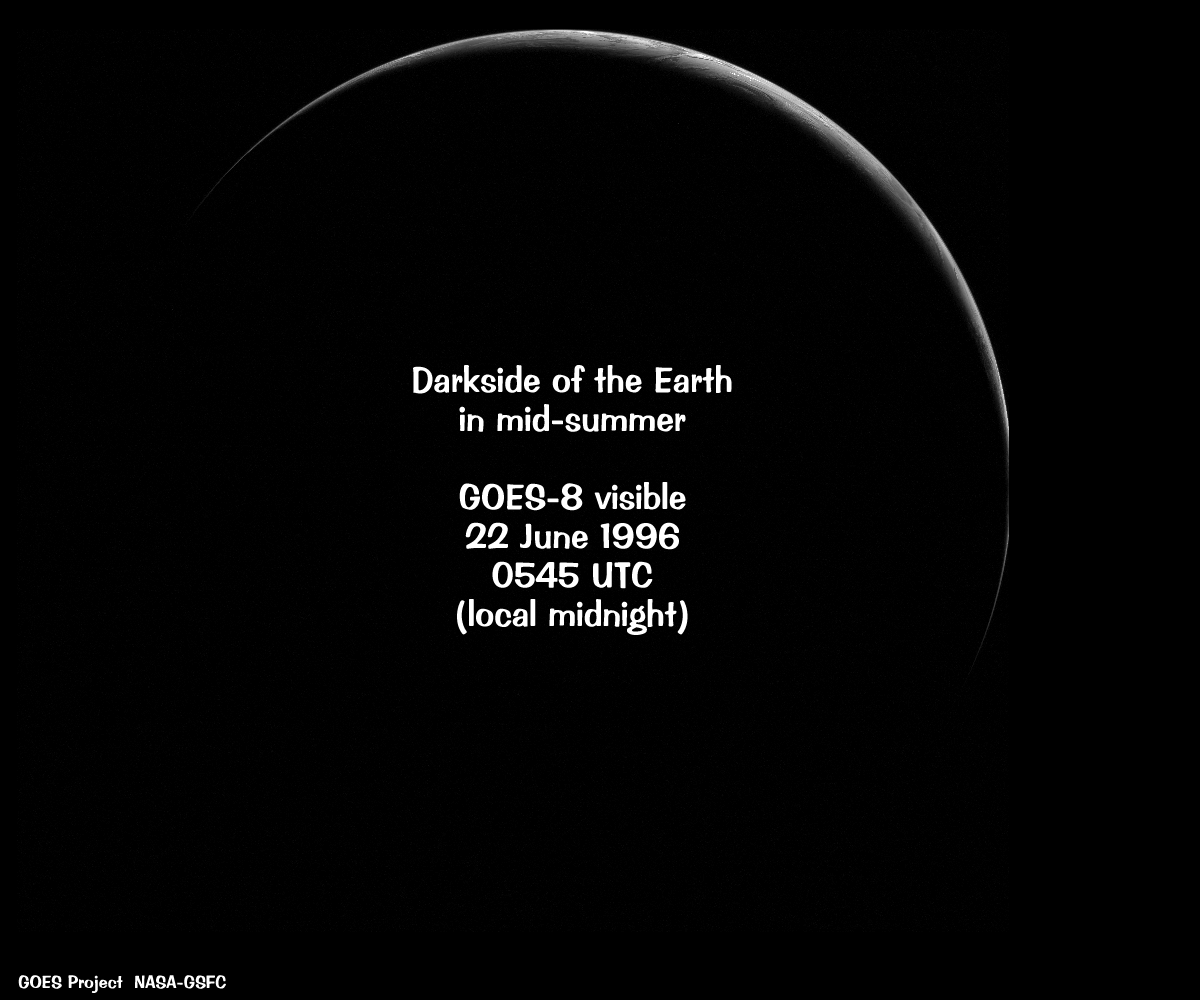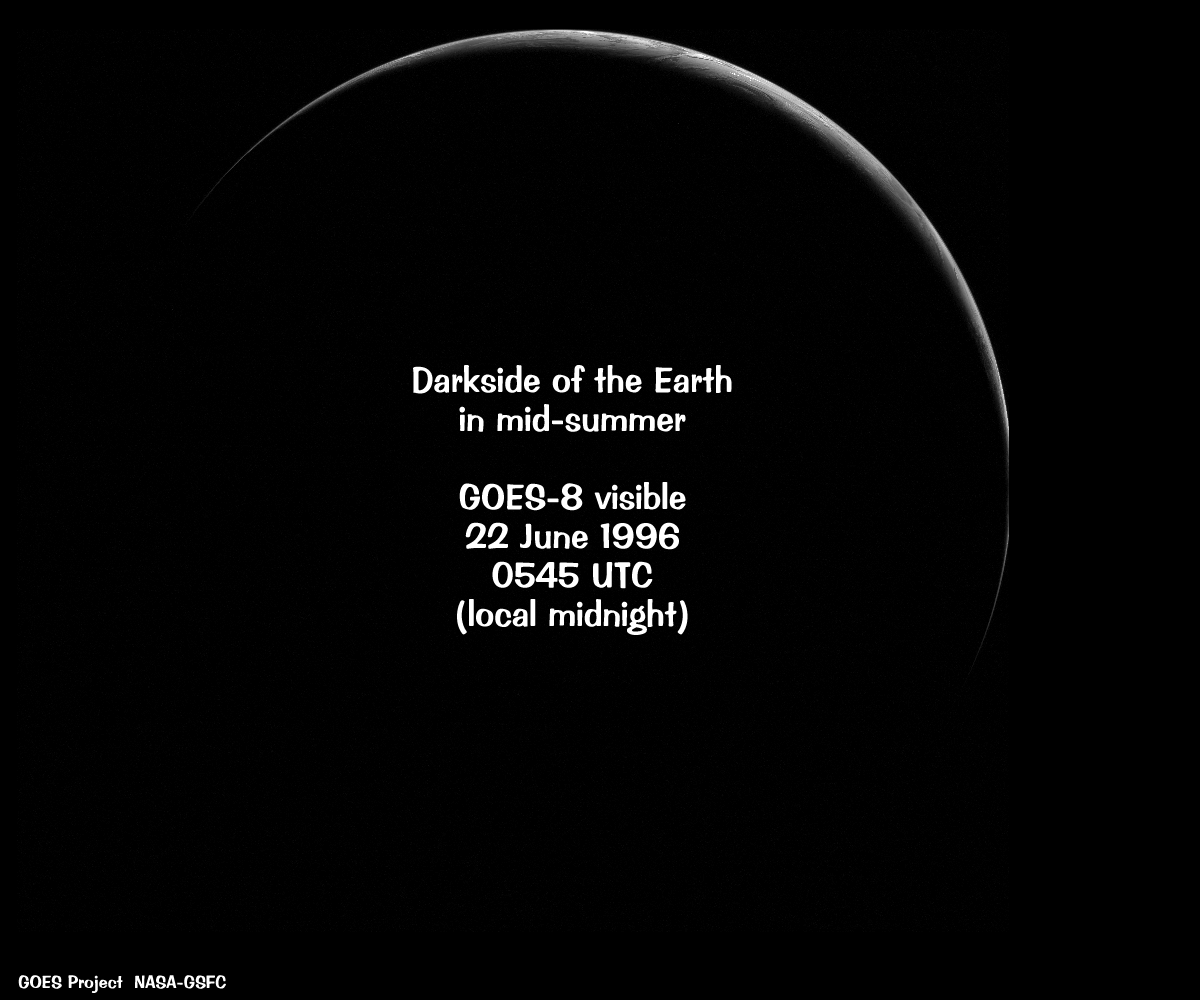
The Earth's northern hemisphere is outlined as a sunlit crescent in this dramatic view from orbit, recorded near local midnight by the Geostationary Operational Environmental Satellite (GOES-8) on June 22, 1996. That date was two days after the Solstice, by astronomical reckoning, the first day of summer in the north and winter in the southern hemisphere. Today's scheduled geocentric astronomical event is again the northern hemisphere's summer Solstice, with the Sun reaching its northernmost declination at 19 hours 10 minutes Universal Time. That makes today also the longest day of the year in the north, with the arctic regions near the top of the picture experiencing 24 hours of daylight. Looking south along the Earth's limb, atmospheric scattering of sunlight causes the limb to be visible beyond areas directly illuminated by the sun.
El hemisferio norte de la Tierra aparece delineado como un creciente iluminado por el sol en esta vista dramática desde la órbita, capturada cerca de la medianoche local por el Satélite Operacional Geoestacionario Ambiental (GOES-8) el 22 de junio de 1996. Esa fecha fue dos días después del Solsticio, según la astronomía, el primer día del verano en el norte e invierno en el hemisferio sur. El evento astronómico geocéntrico previsto para hoy es nuevamente el Solsticio de verano del hemisferio norte, con el Sol alcanzando su declinación más septentrional a las 19 horas 10 minutos Tiempo Universal. Esto hace que hoy sea también el día más largo del año en el norte, con las regiones árticas cerca de la parte superior de la imagen experimentando 24 horas de luz solar. Mirando hacia el sur a lo largo del limbo terrestre, la dispersión atmosférica de la luz solar causa que el limbo sea visible más allá de las áreas directamente iluminadas por el sol.