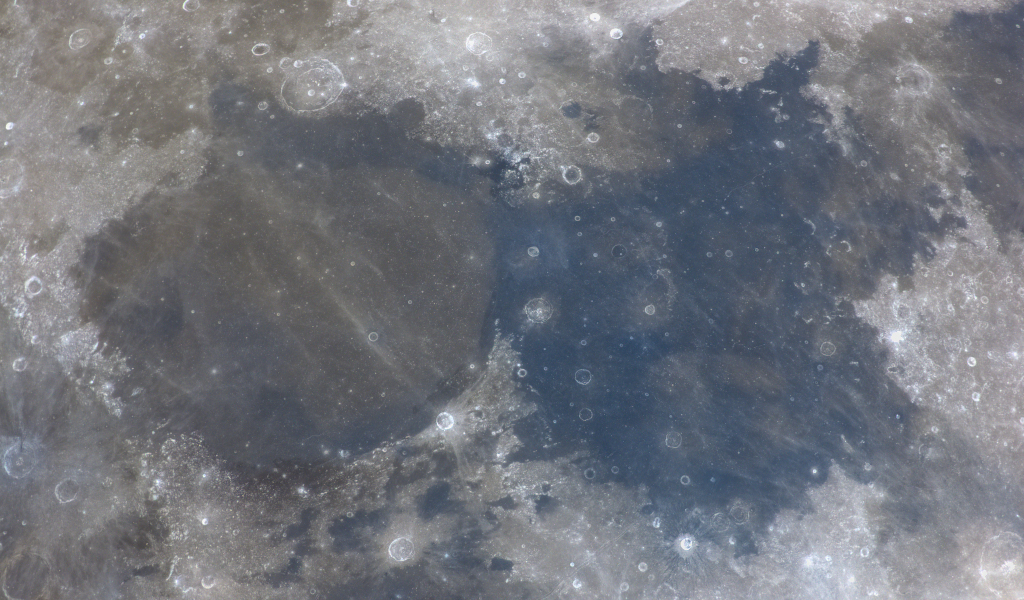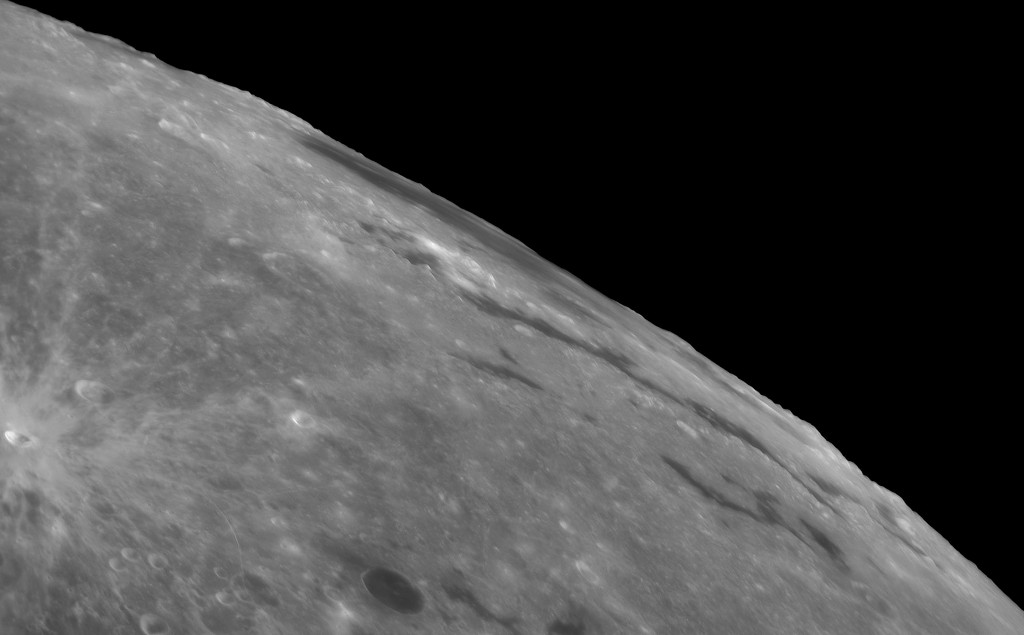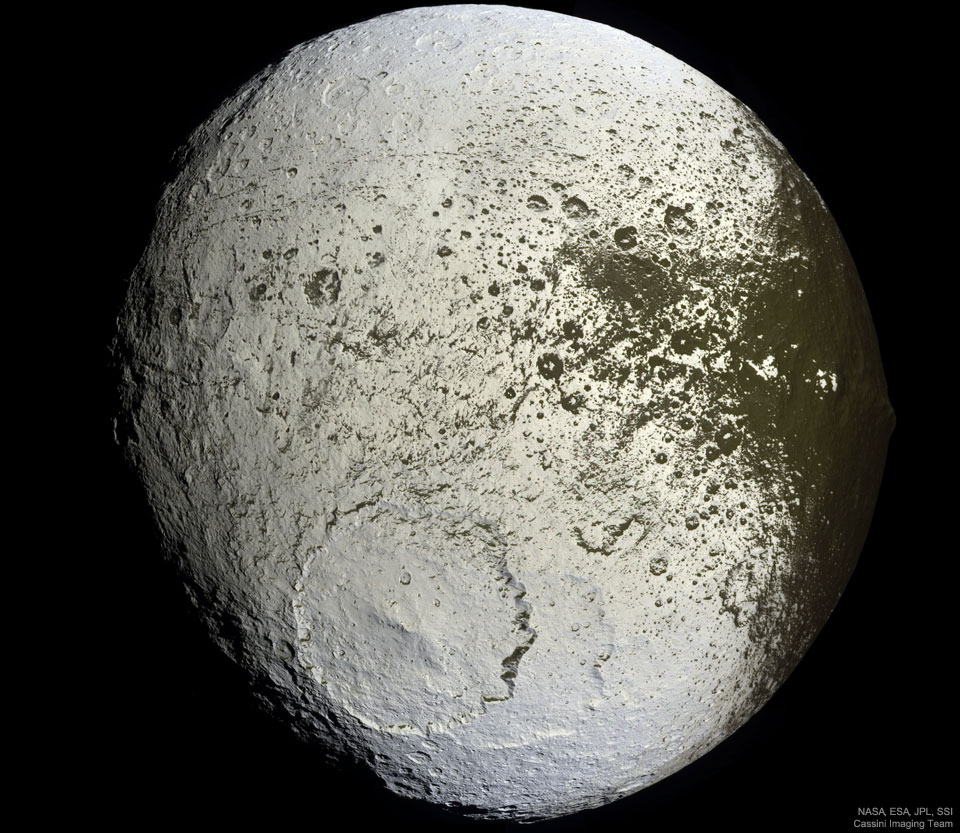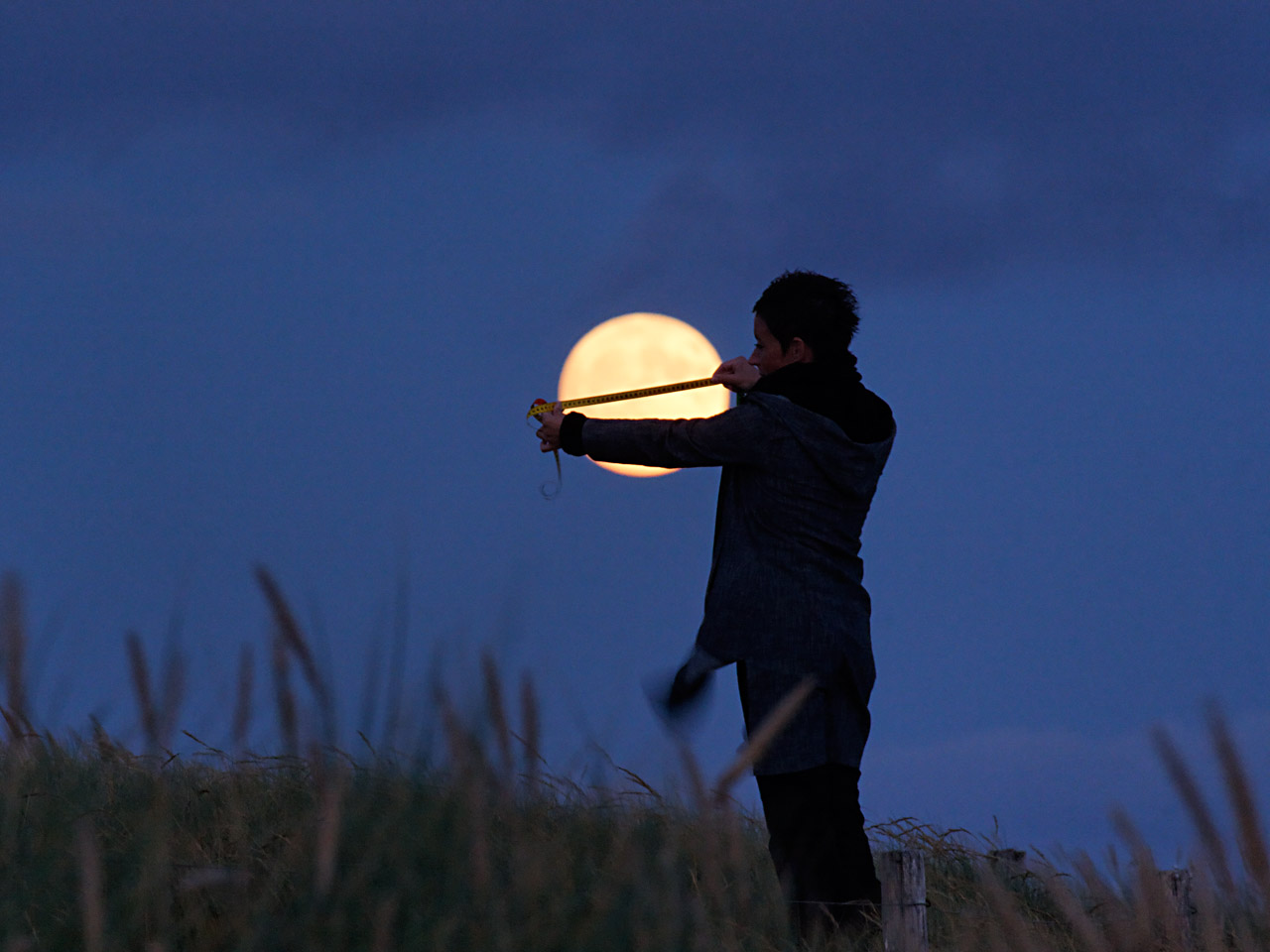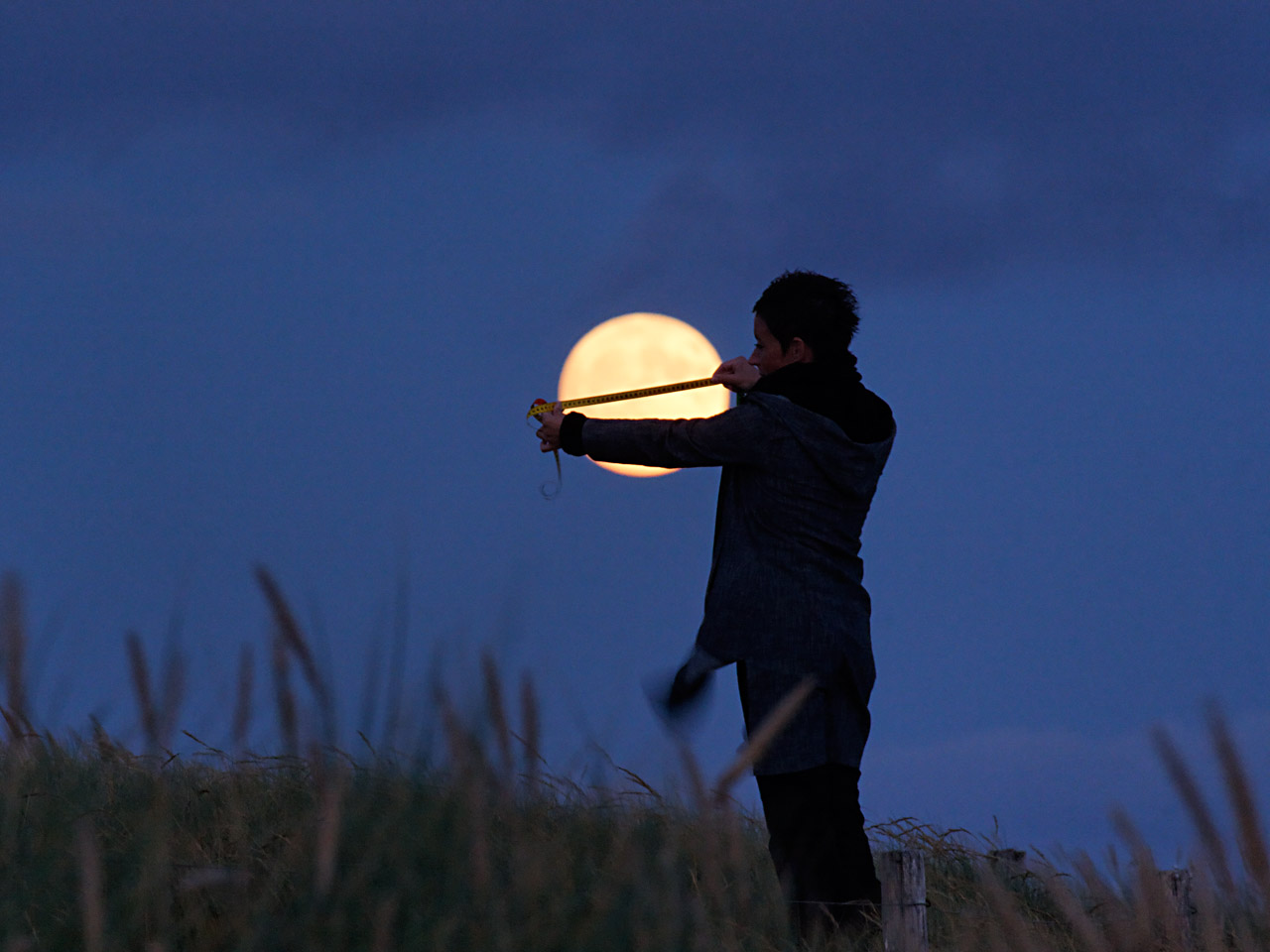
The Moon's measured diameter is around 3,476 kilometers (2,160 miles). But apparent angular size, or the angle covered by an object, can also be important to Moon enthusiasts. Angular size depends on distance, the farther away an object is, the smaller an angle it covers. Since the Moon is 400,000 kilometers away, its angular size is only about 1/2 degree, a span easily covered by the tip of your finger held at arms length, or a measuring tape held in the distance by a friend. Of course the Sun is much larger than the Moon, 400 times larger in fact, but today the New Moon will just cover the Sun. The total solar eclipse can be seen along a track across northern Canada, the Arctic, Siberia, and northern China. (A partial eclipse is visible from a broader region). Solar eclipses illustrate the happy coincidence that while the Sun is 400 times the diameter of the Moon, it is also 400 times farther away giving the Sun and Moon exactly the same angular size. Total Solar Eclipse: Webcast from China
El diámetro medido de la Luna es de aproximadamente 3.476 kilómetros (2.160 millas). Sin embargo, el tamaño angular aparente, o el ángulo que cubre un objeto, también puede ser importante para los entusiastas de la Luna. El tamaño angular depende de la distancia; cuanto más lejos esté un objeto, menor será el ángulo que cubre. Dado que la Luna se encuentra a 400.000 kilómetros de distancia, su tamaño angular es de solo alrededor de 1/2 grado, una extensión fácilmente cubierta por la punta de tu dedo con el brazo extendido, o por una cinta métrica sostenida a la distancia por un amigo. Por supuesto, el Sol es mucho más grande que la Luna, de hecho 400 veces mayor, pero hoy la Luna nueva cubrirá exactamente al Sol. El eclipse solar total puede verse a lo largo de una franja que atraviesa el norte de Canadá, el Ártico, Siberia y el norte de China. (Un eclipse parcial es visible desde una región más amplia). Los eclipses solares ilustran la afortunada coincidencia de que mientras el Sol es 400 veces el diámetro de la Luna, también está 400 veces más lejos, lo que otorga al Sol y a la Luna exactamente el mismo tamaño angular.