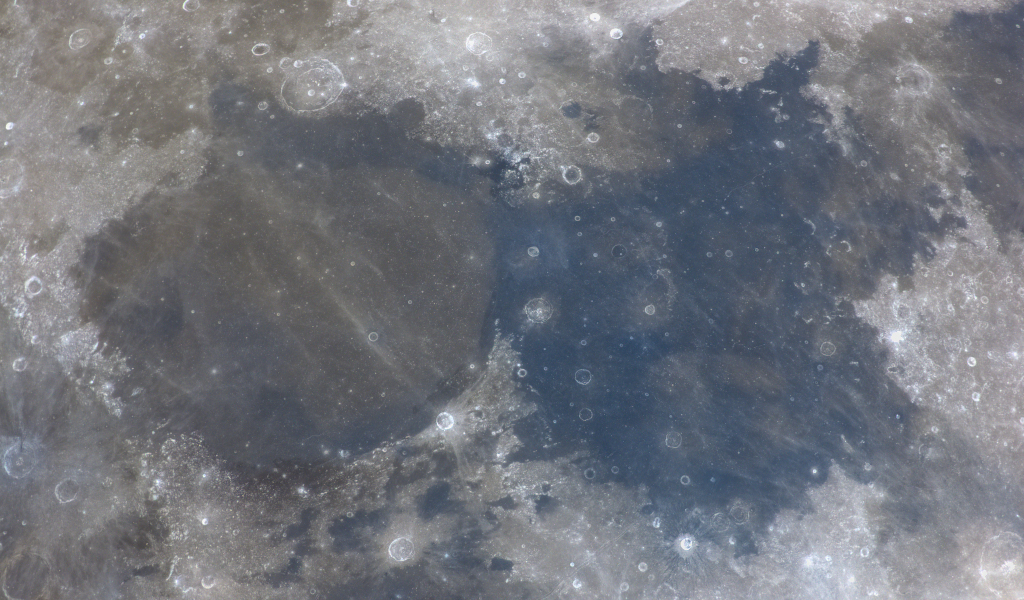
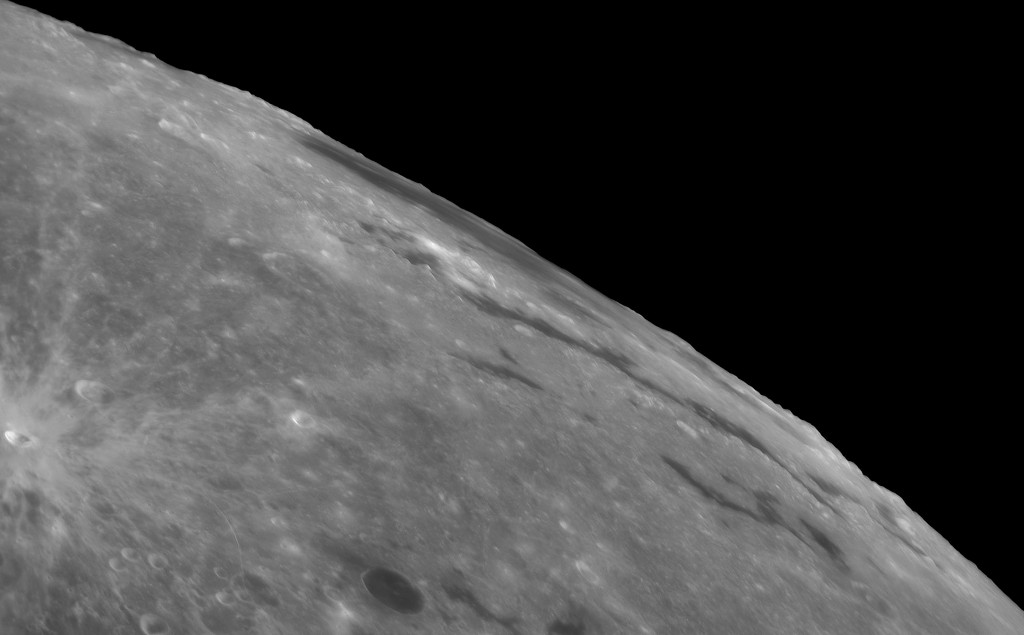
Tonight a bright full Moon will fade to red. Tonight's moon will be particularly bright because it is reaching its fully lit phase when it is relatively close to the Earth in its elliptical orbit. In fact, by some measures of size and brightness, tonight's full Moon is designated a supermoon, although perhaps the "super" is overstated because it will be only a few percent larger and brighter than the average full Moon. However, our Moon will fade to a dim red because it will also undergo a total lunar eclipse -- an episode when the Moon becomes completely engulfed in Earth's shadow. The faint red color results from blue sunlight being more strongly scattered away by the Earth's atmosphere. Tonight's moon can also be called a Harvest Moon as it is the full Moon that occurs closest to the September equinox, a time signaling crop harvest in Earth's northern hemisphere. Total eclipses of supermoons are relatively rare -- the last supermoon lunar eclipse was in 1982, and the next will be in 2033. Tonight's supermoon total eclipse will last over an hour and be best visible from eastern North America after sunset, South America in the middle of the night, and Western Europe before sunrise. Live Feed from NASA: Supermoon Eclipse 2015
Hoy, una luna llena brillante se apagará hasta adquirir un tono rojizo. La luna de hoy será especialmente brillante porque alcanzará su fase completamente iluminada cuando esté relativamente cerca de la Tierra en su órbita elíptica. De hecho, según algunos criterios de tamaño y brillo, la luna llena de hoy se designa como una superluna, aunque quizás el término 'super' esté exagerado, ya que será solo un par de por ciento más grande y brillante que una luna llena promedio. Sin embargo, nuestra luna se apagará hasta adquirir un rojo tenue porque también sufrirá un eclipse lunar total — un evento en el que la luna se sumerge completamente en la sombra de la Tierra. El tenue color rojo se debe a que la luz azul se dispersa más fuertemente en la atmósfera terrestre. La luna de hoy también puede llamarse Luna de la Cosecha, ya que es la luna llena que ocurre más cercana al equinoccio de septiembre, un momento que señala la cosecha en el hemisferio norte de la Tierra. Los eclipses totales de superlunas son relativamente raros — el último eclipse lunar de superluna fue en 1982, y el siguiente será en 2033. El eclipse total de superluna de hoy durará más de una hora y será más visible desde América del Este después del atardecer, América del Sur durante la madrugada, y Europa Occidental antes del amanecer.