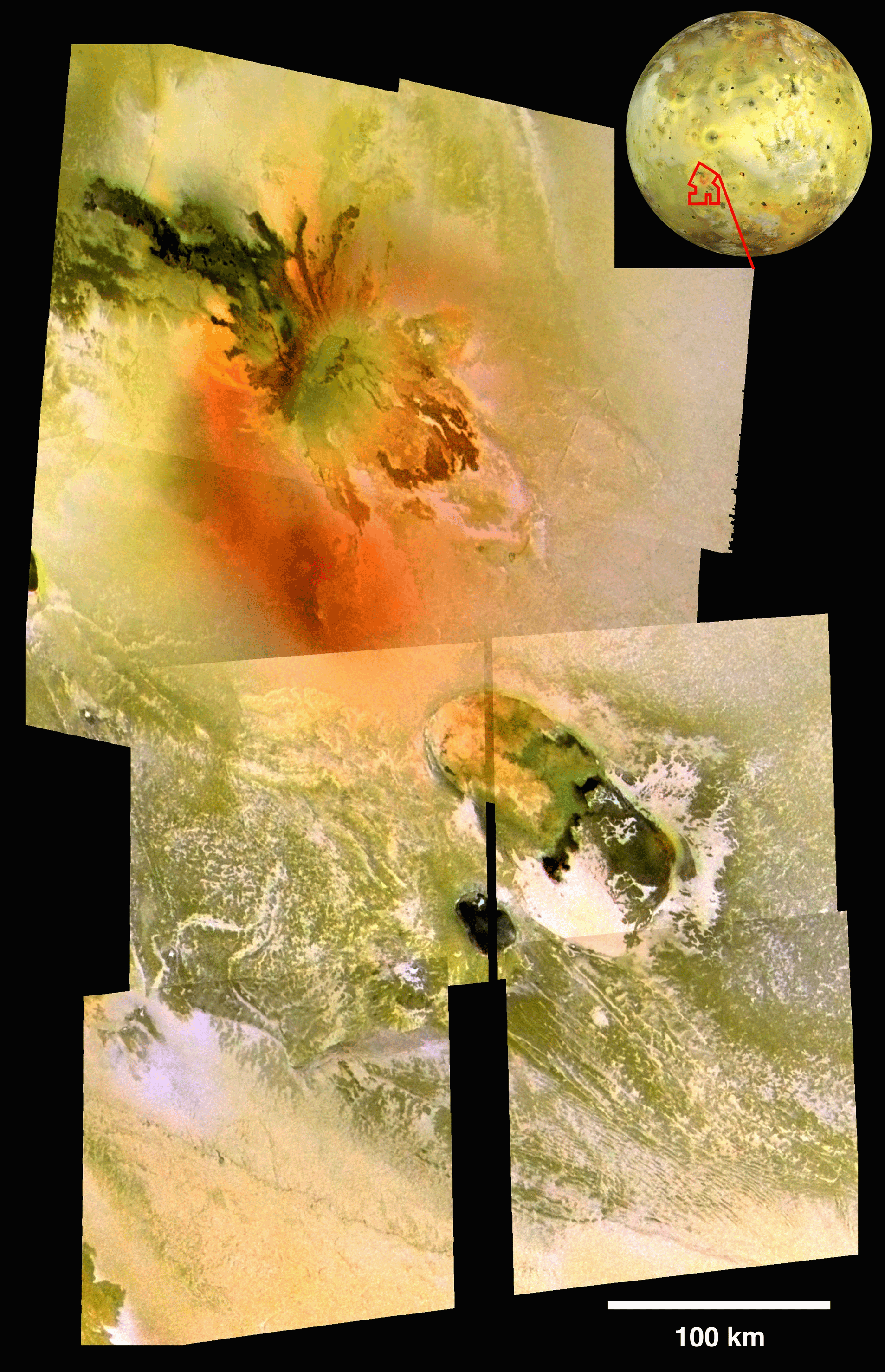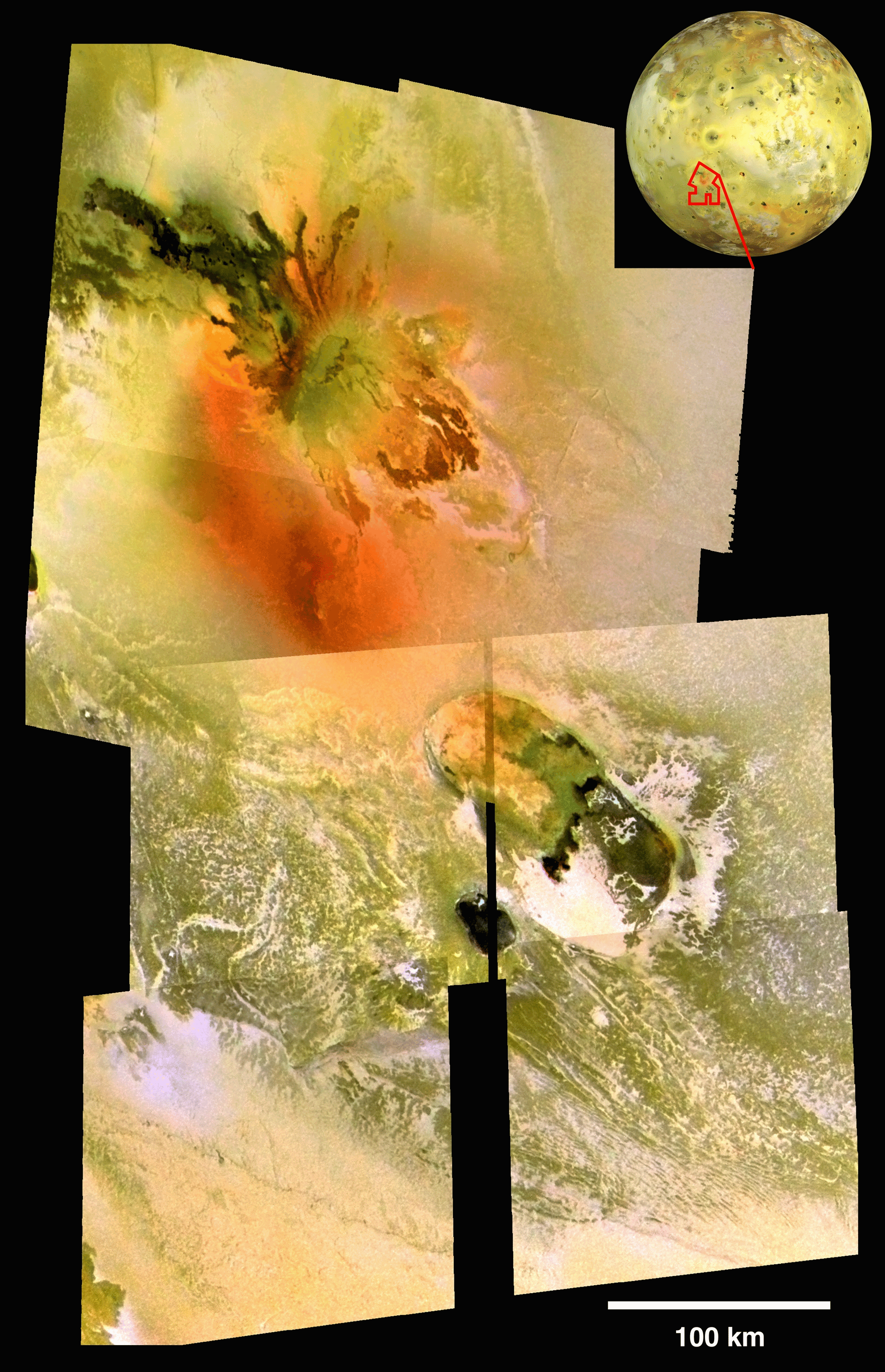
What causes the unusual colors surrounding Io's volcanoes? Io, the innermost large moon of Jupiter, is known to be the most tumultuous body in the Solar System. Approximately the size of Earth's Moon, Io undergoes nearly continuous volcanic eruptions from an interior heated by gravitational tides from Jupiter and Jupiter's other large moons. The robot spacecraft Galileo currently orbiting Jupiter has been monitoring the active volcano Culann Patera over the past few years. The above images indicate that the volcano has produced not only red and black colored lava flows, but yellow sulfur patches from explosive plumes. Green colors may arise when these processes affect the same terrain. White patches may be caused, in part, by sulfur dioxide snow. As Galileo has fulfilled its mission objectives and is running low on maneuvering fuel, NASA plans to crash the spacecraft into Jupiter during 2003.
¿Qué causa los colores inusuales que rodean los volcanes de Io? Io, la luna más grande y más interna de Júpiter, es conocida por ser el cuerpo más tumultuoso del Sistema Solar. Con un tamaño aproximado al de la Luna terrestre, Io experimenta erupciones volcánicas casi continuas desde un interior calentado por las mareas gravitacionales de Júpiter y sus otras lunas grandes. La sonda espacial robótica Galileo, que actualmente orbita Júpiter, ha estado monitoreando el volcán activo Cráter Culann durante los últimos años. Las imágenes anteriores indican que el volcán ha producido no solo flujos de lava de color rojo y negro, sino también parches amarillos de azufre provenientes de penachos explosivos. Los colores verdes pueden surgir cuando estos procesos afectan el mismo terreno. Los parches blancos pueden ser causados, en parte, por nieve de dióxido de azufre. Dado que Galileo ha cumplido con sus objetivos de misión y está quedando sin combustible para maniobras, la NASA planea hacer que la nave espacial se estrelle contra Júpiter durante 2003.