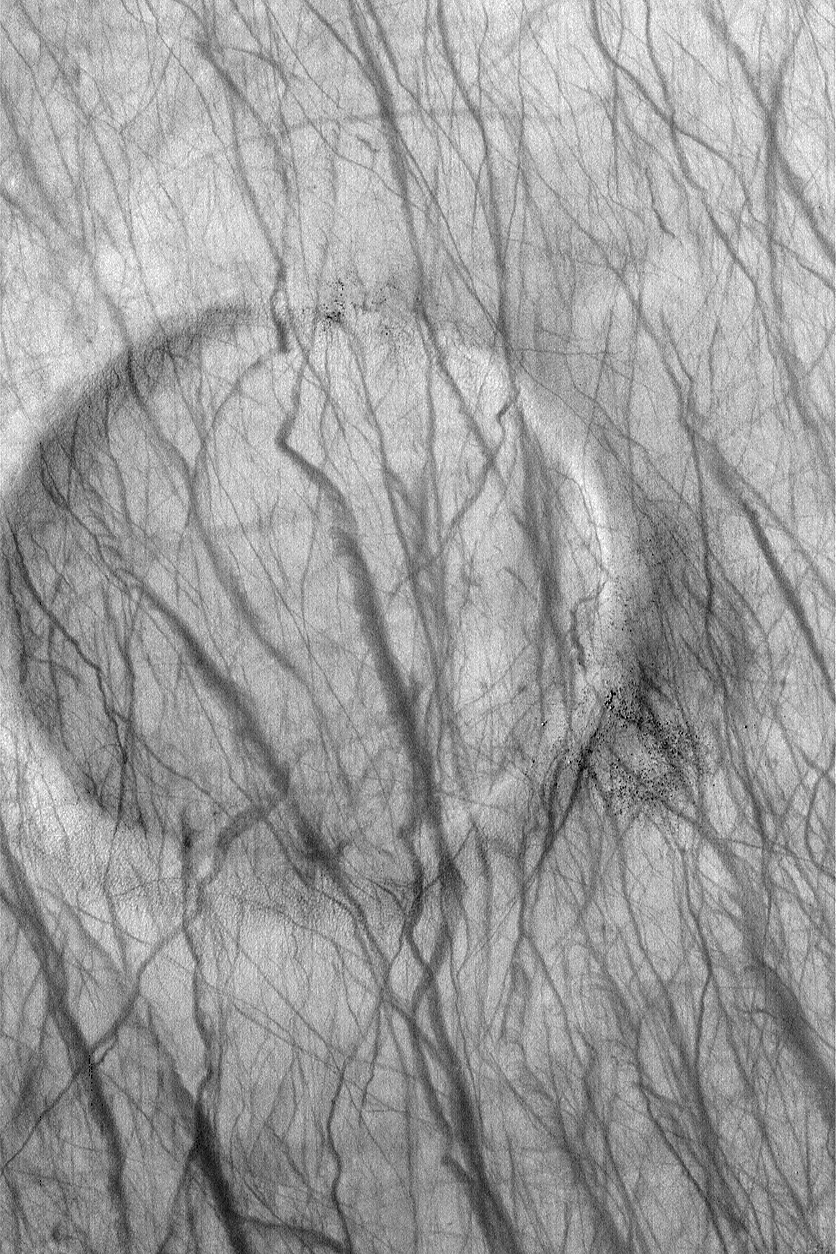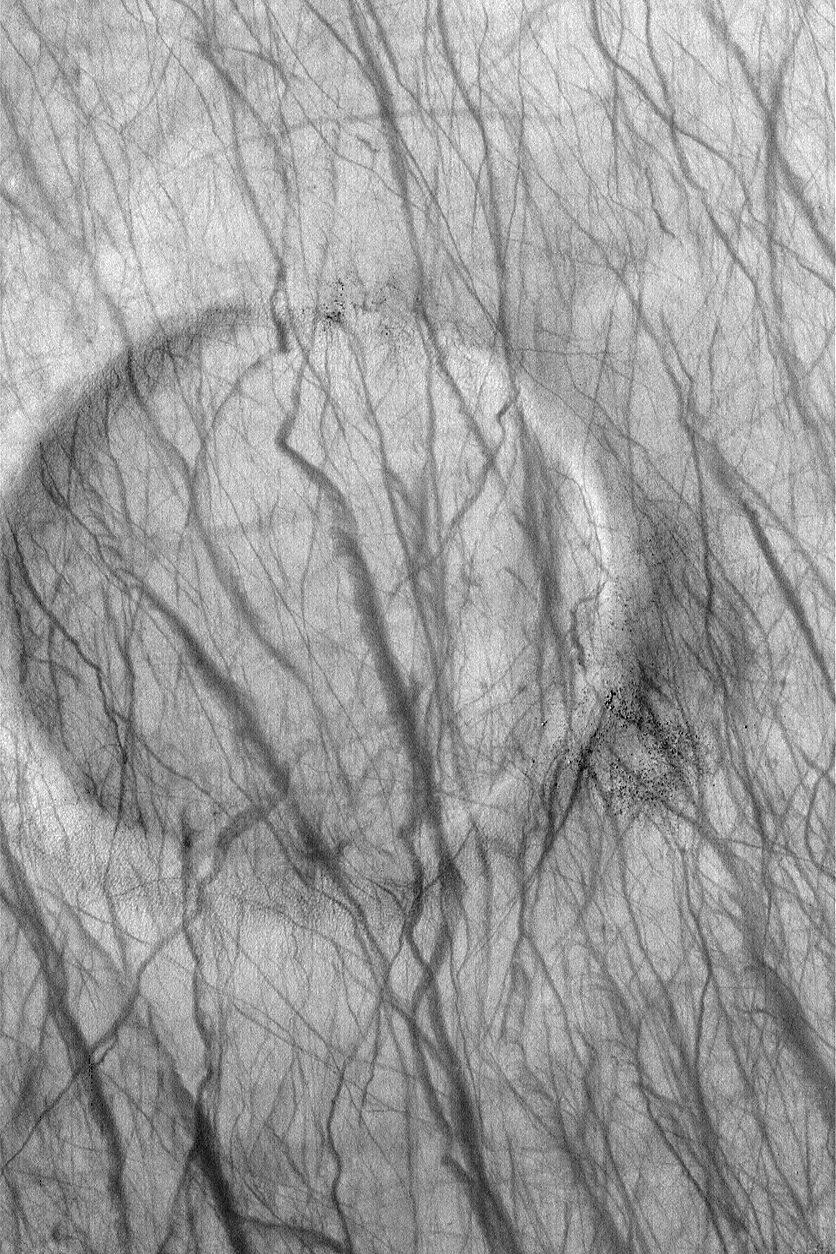
What caused the streaks in this Martian crater? Since the above image shows streaks occurring both inside and outside the crater, they were surely created after the crater-causing impact. Newly formed trails like these presented researchers with a tantalizing martian mystery but have now been identified as likely the work of miniature wind vortices known to occur on the red planet - martian dust devils. Another example of wind processes on an active Mars, dust devils had been detected passing near the Viking and Mars Pathfinder landers. Such spinning columns of rising air heated by the warm surface are common in dry and desert areas on planet Earth. Typically lasting only a few minutes, they becoming visible as they pick up loose dust. On Mars, dust devils can be up to 8 kilometers high and leave dark trails as they disturb the bright, reflective surface dust.
¿Qué causó las líneas visibles en este cráter marciano? Dado que la imagen muestra líneas que ocurren tanto dentro como fuera del cráter, seguramente fueron creadas después del impacto que formó el cráter. Estos rastros recién formados presentaron a los investigadores un misterio marciano fascinante, pero ahora han sido identificados como probable obra de pequeños vórtices de viento conocidos por ocurrir en el planeta rojo: los remolinos de polvo marcianos. Como otro ejemplo de procesos eólicos en un Marte activo, los remolinos de polvo habían sido detectados pasando cerca de los módulos de aterrizaje Viking y Mars Pathfinder. Tales columnas giratorias de aire ascendente calentado por la superficie cálida son comunes en áreas secas y desérticas del planeta Tierra. Típicamente durando solo unos pocos minutos, se vuelven visibles mientras recogen polvo suelto. En Marte, los remolinos de polvo pueden alcanzar hasta 8 kilómetros de altura y dejan rastros oscuros mientras perturban el polvo superficial brillante y reflectante.