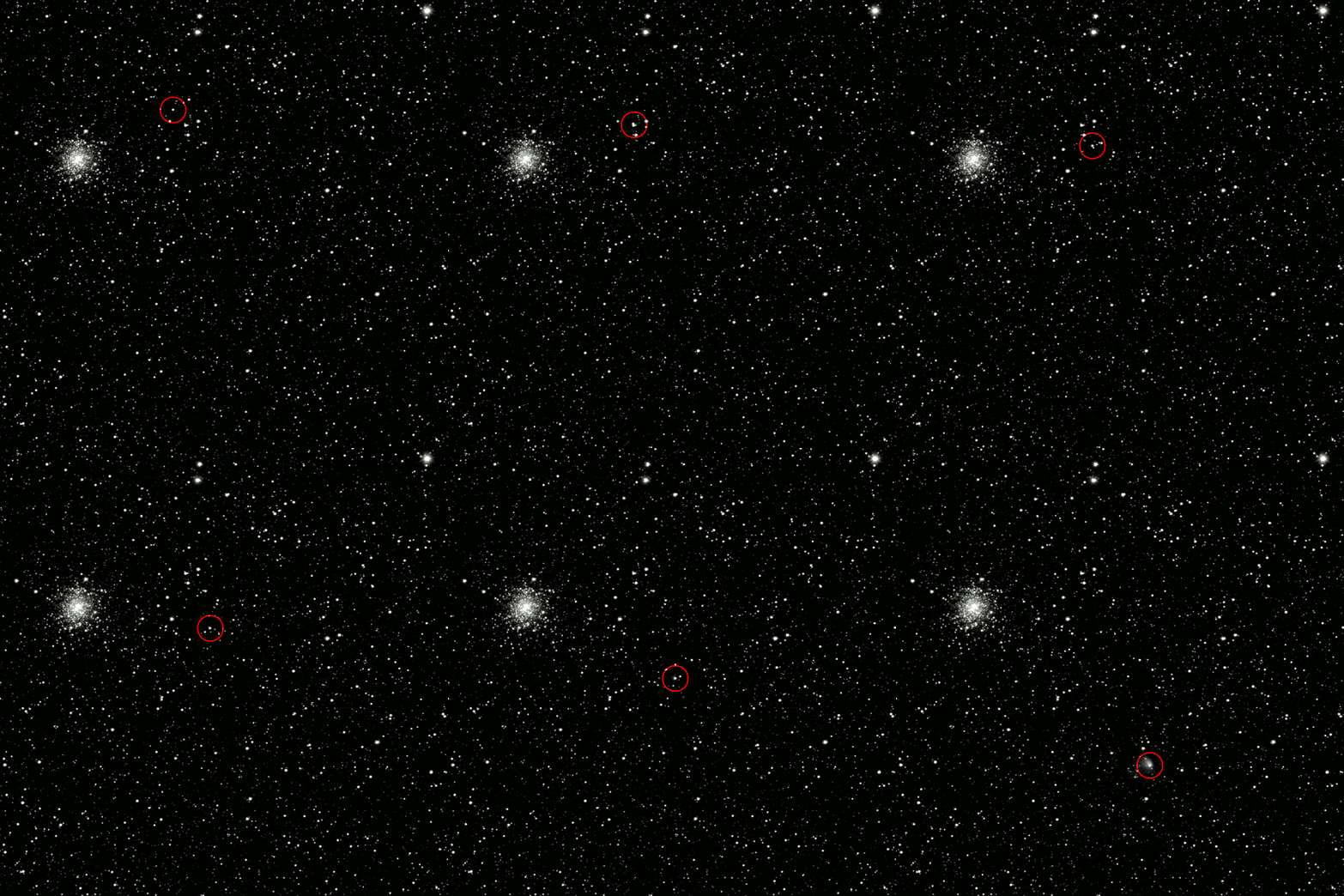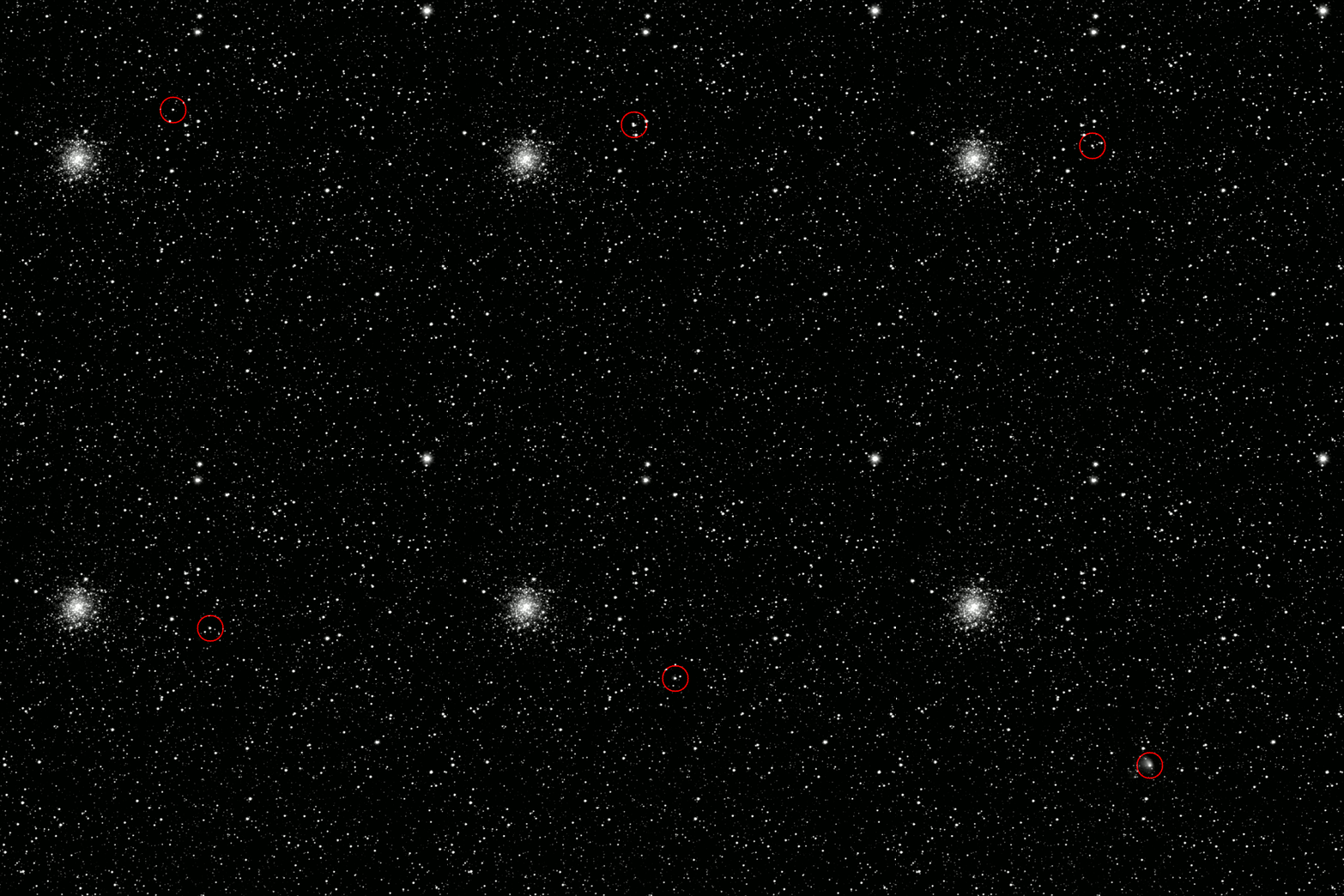
The Rosetta spacecraft captured this remarkable series of 9 frames between March 27 and May 4, as it closed from 5 million to 2 million kilometers of its target comet. Cruising along a 6.5 year orbit toward closest approach to the Sun next year, periodic comet 67P/Churyumov-Gerasimenko is seen moving past a distant background of stars in Ophiuchus and globular star cluster M107. The comet's developing coma is actually visible by the end of the sequence, extending for some 1300 km into space. Rosetta is scheduled for an early August rendezvous with the comet's nucleus. Now clearly active, the nucleus is about 4 kilometers in diameter, releasing the dusty coma as its dirty ices begin to sublimate in the sunlight. The Rosetta lander's contact with the surface of the nucleus is anticipated in November. Meteor Shower Hunt Tonight: Looking for the Camelopardalids
La nave espacial Rosetta capturó esta serie notable de 9 imágenes entre el 27 de marzo y el 4 de mayo, mientras se acercaba de 5 millones a 2 millones de kilómetros de su objetivo, el cometa. Navegando a lo largo de una órbita de 6.5 años hacia su acercamiento más cercano al Sol el próximo año, el cometa periódico 67P/Churyumov-Gerasimenko se ve pasando frente a un fondo distante de estrellas en Ophiuchus y el cúmulo estelar globular M107. La coma en desarrollo del cometa es visible al final de la secuencia, extendiéndose por aproximadamente 1300 kilómetros al espacio. Rosetta está programada para un encuentro temprano en agosto con el núcleo del cometa. Ahora claramente activo, el núcleo tiene aproximadamente 4 kilómetros de diámetro, liberando la coma polvorienta a medida que sus hielos sucios comienzan a sublimarse bajo la luz solar. El contacto de la sonda de aterrizaje de Rosetta con la superficie del núcleo se anticipa en noviembre.