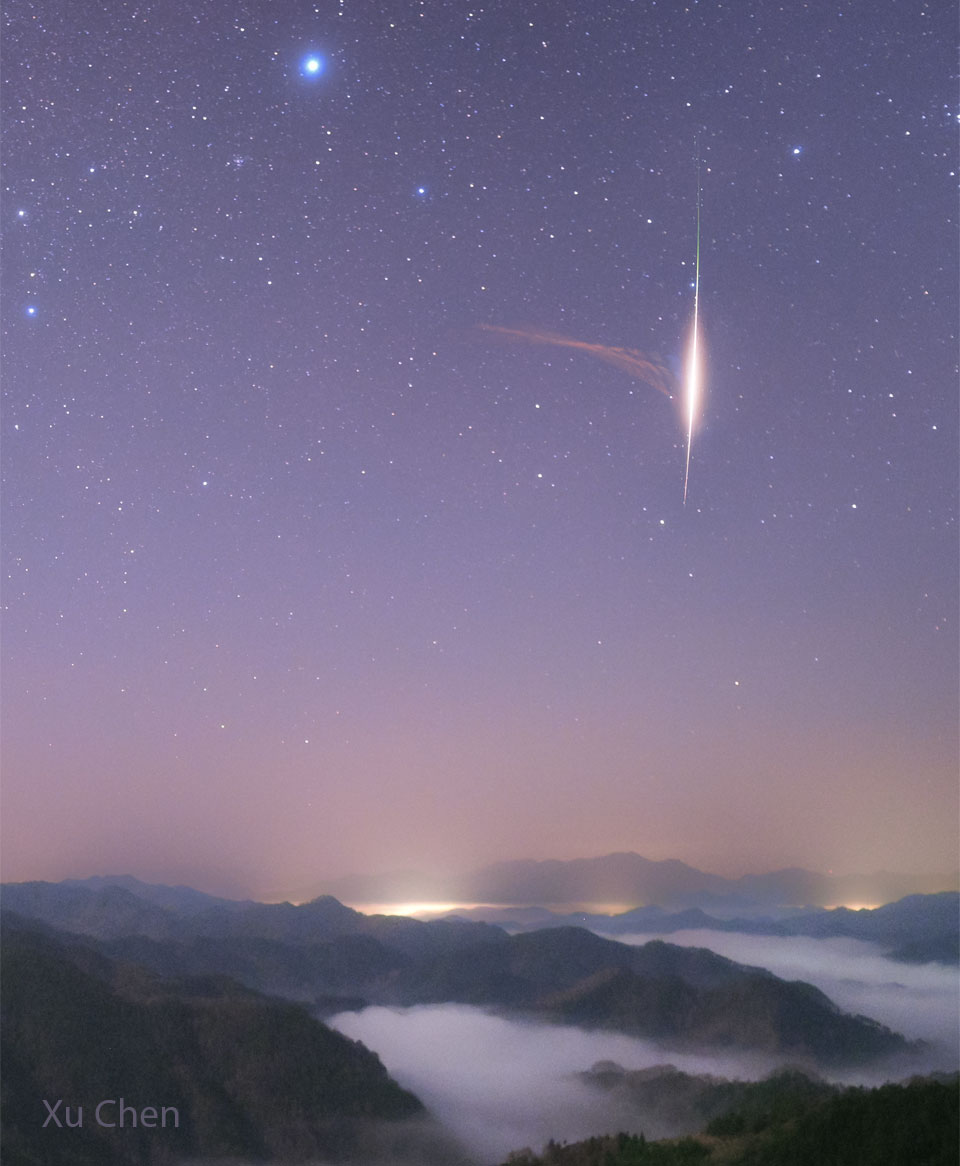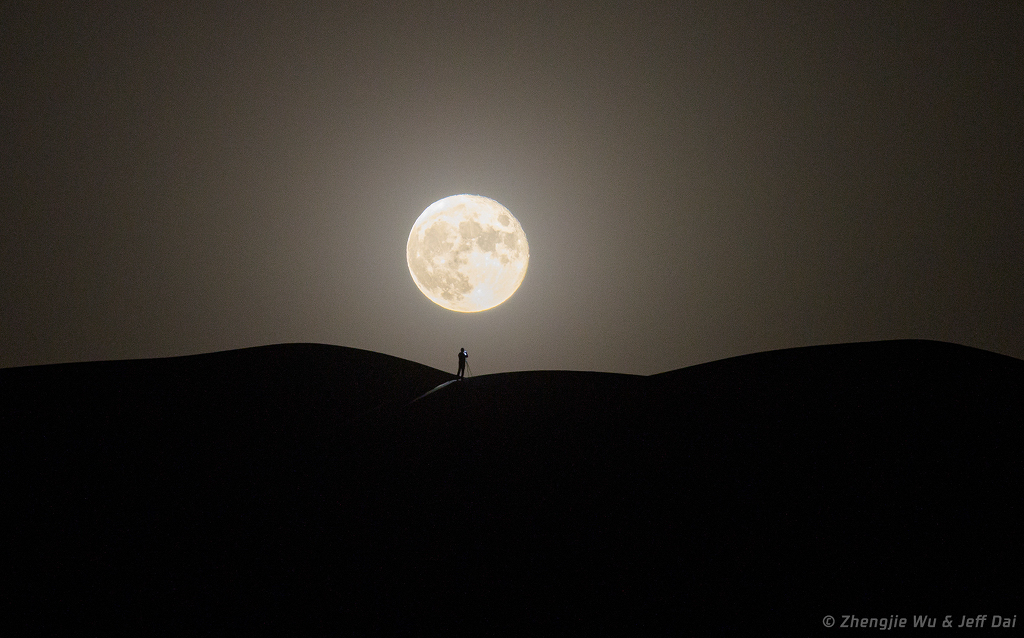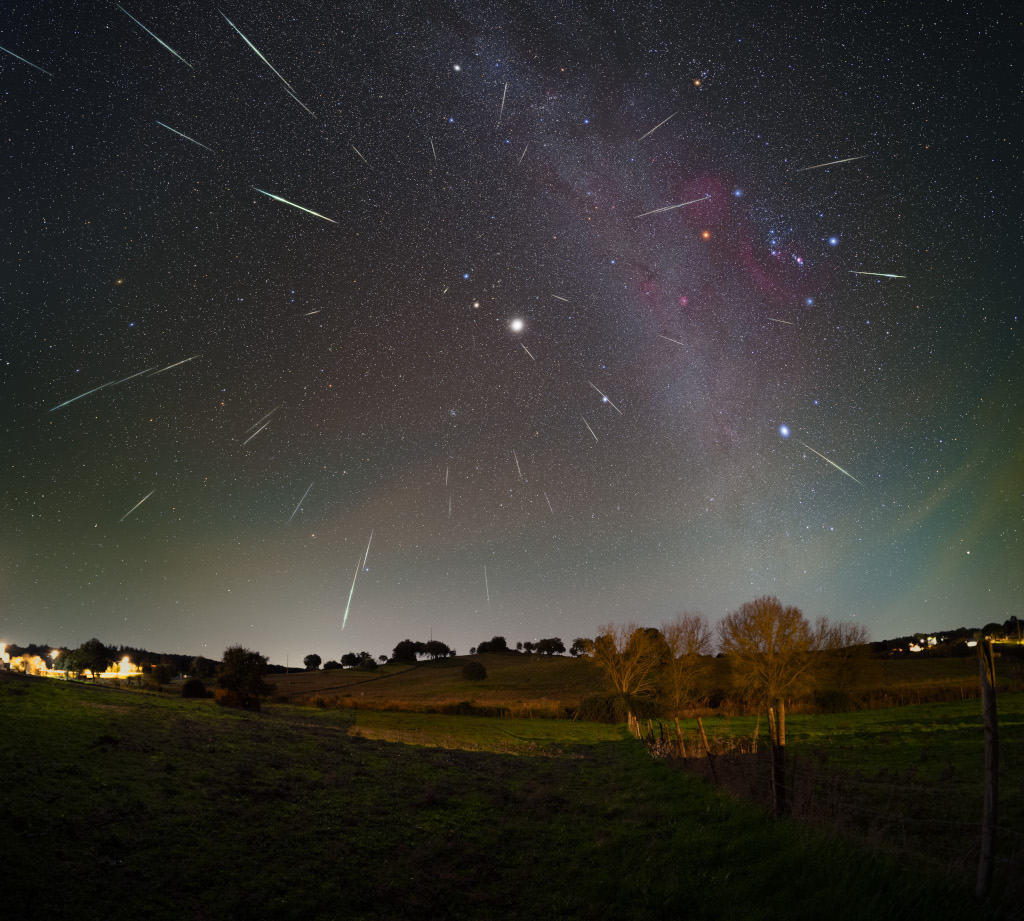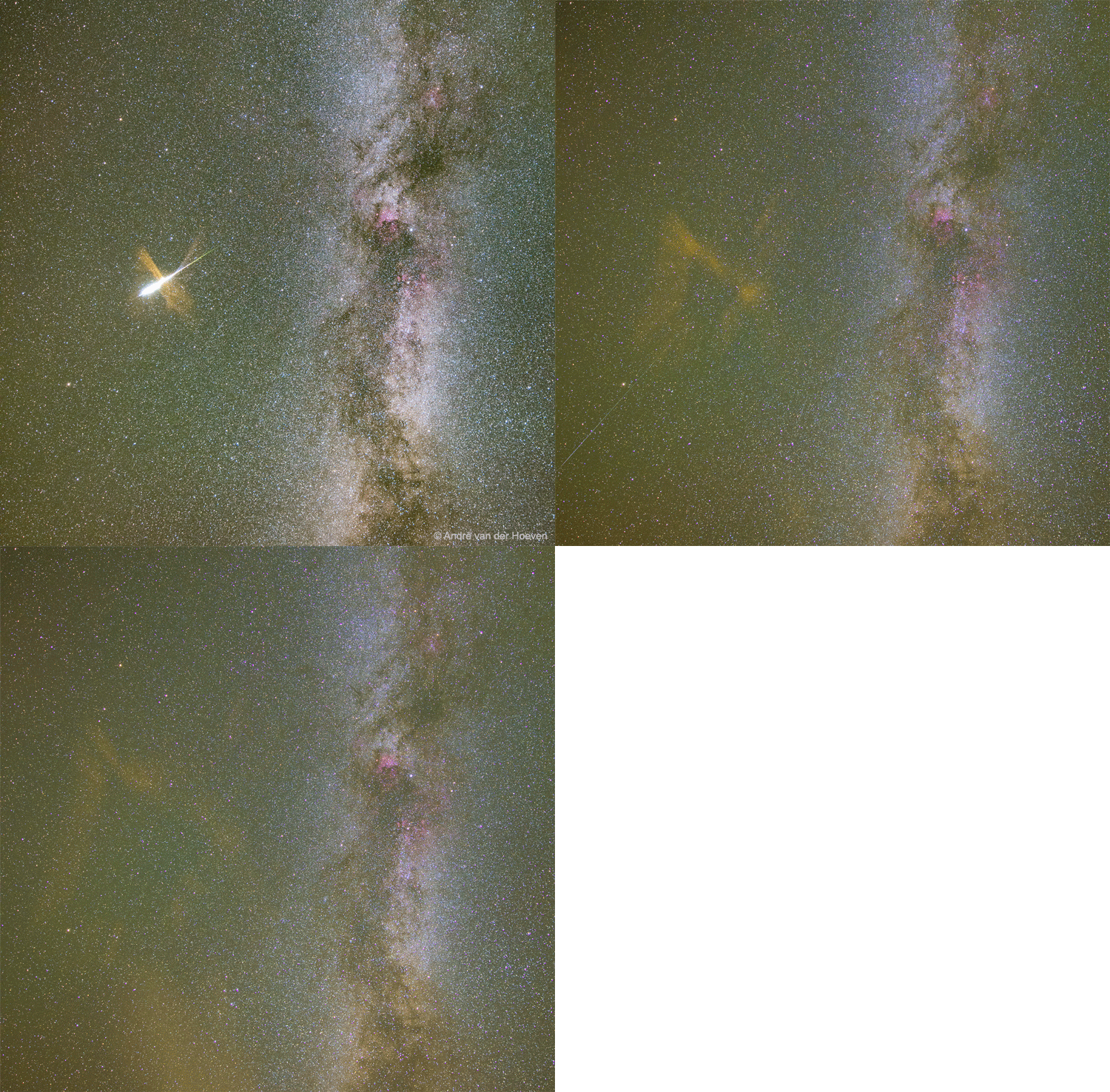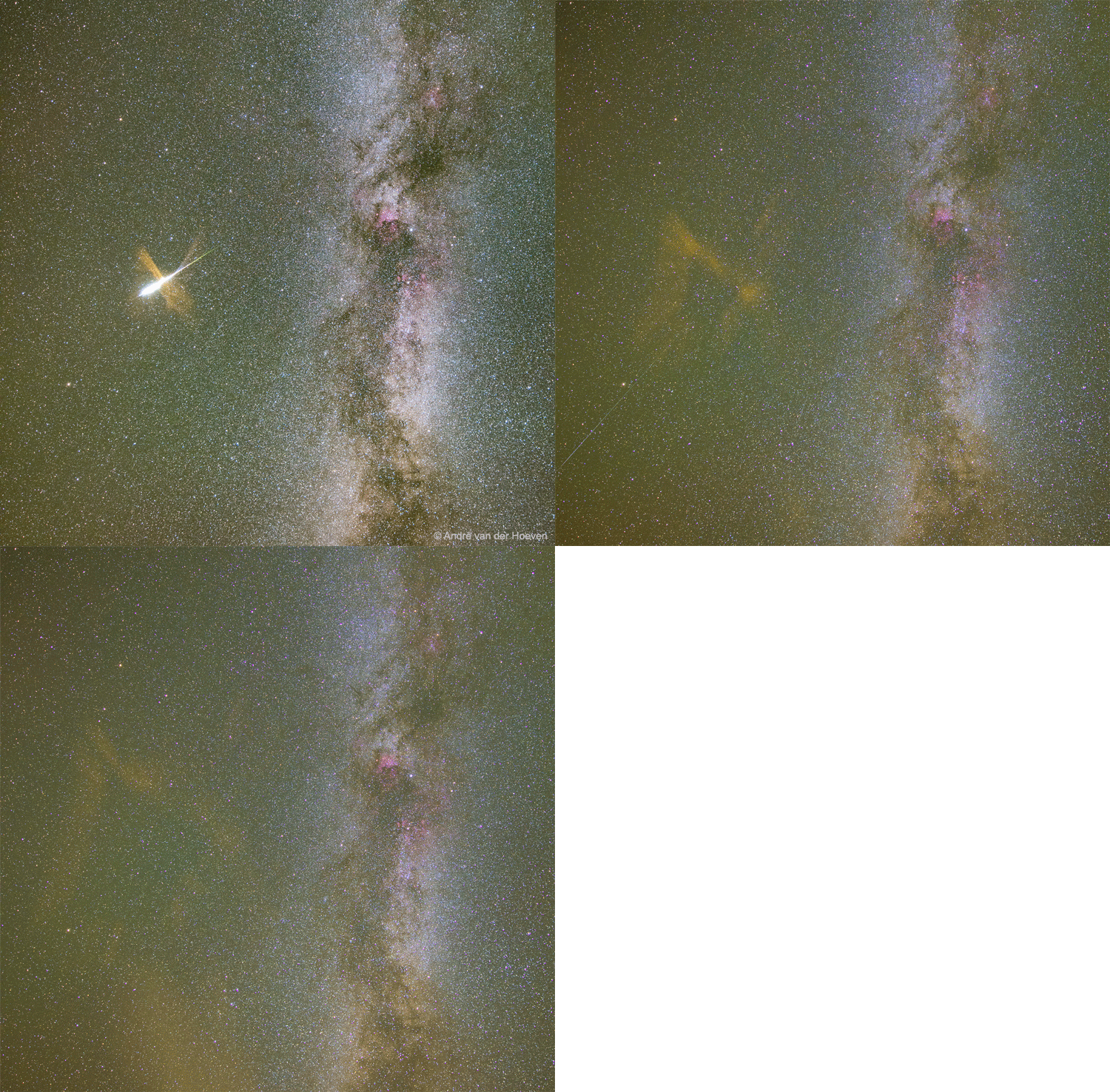
Next weekend the Perseid Meteor Shower reaches its maximum. Grains of icy rock will streak across the sky as they evaporate during entry into Earth's atmosphere. These grains were shed from Comet Swift-Tuttle. The Perseids result from the annual crossing of the Earth through Comet Swift-Tuttle's orbit, and are typically the most active meteor shower of the year. Although it is hard to predict the level of activity in any meteor shower, in a clear dark sky an observer might see a meteor a minute. This year's Perseids peak nearly a week after full Moon, and so some faint meteors will be lost to the lunar skyglow. Meteor showers in general are best be seen from a relaxing position, away from lights. Featured here is a meteor caught exploding during the 2015 Perseids above Austria next to the central band of our Milky Way Galaxy. Follow APOD on: Facebook, Google Plus, Instagram, or Twitter
La lluvia de meteoros de Perseo alcanzará su máximo el próximo fin de semana. Granos de roca helada se deslizarán por el cielo mientras se evaporan durante su entrada en la atmósfera terrestre. Estos granos fueron expulsados por el cometa Swift-Tuttle. Los Perseidos resultan del cruce anual de la Tierra a través de la órbita del cometa Swift-Tuttle, y normalmente son la lluvia de meteoros más activa del año. Aunque es difícil predecir el nivel de actividad en cualquier lluvia de meteoros, en un cielo claro y oscuro, un observador podría ver un meteorito por minuto. Los Perseidos de este año alcanzarán su pico casi una semana después de la luna llena, y por lo tanto algunos meteoros más tenues se perderán debido al resplandor lunar. En general, las lluvias de meteoros se ven mejor desde una posición relajada, lejos de las luces. En la imagen destacada se muestra un meteorito captado explotando durante los Perseidos de 2015 sobre Austria, junto a la banda central de nuestra Galaxia de la Vía Láctea.