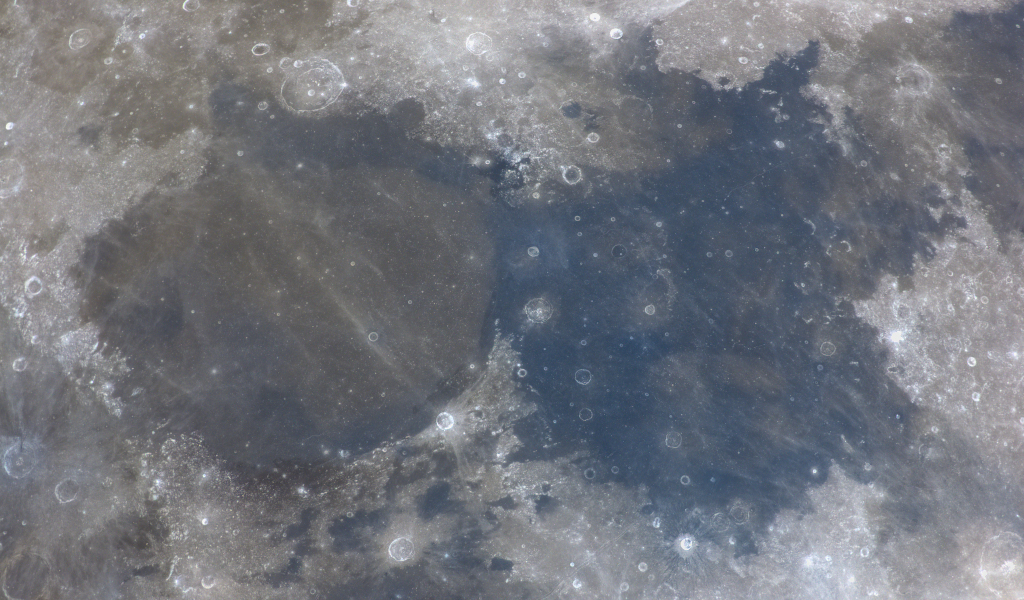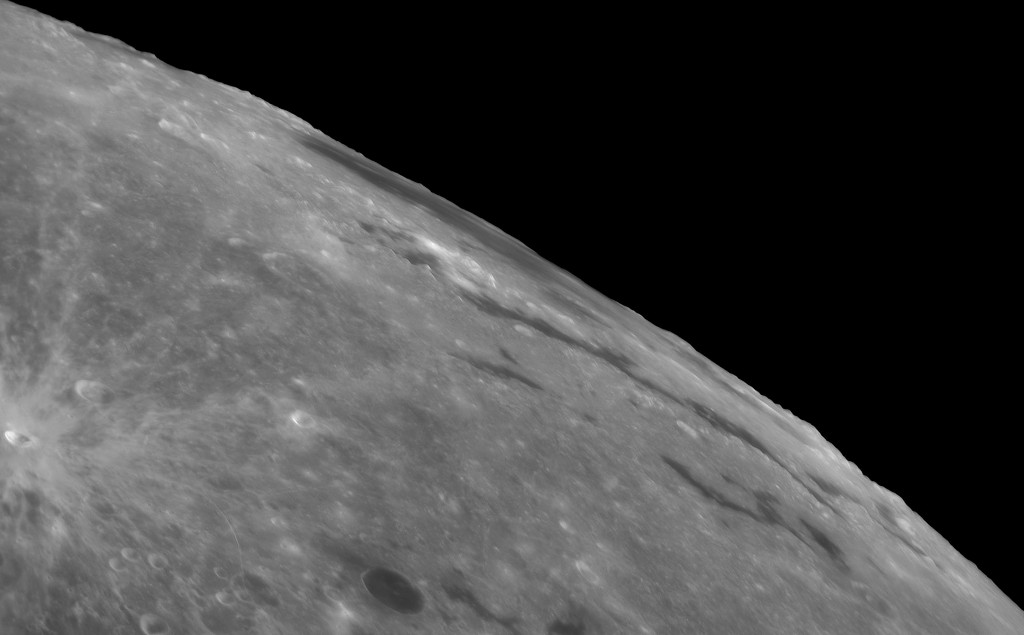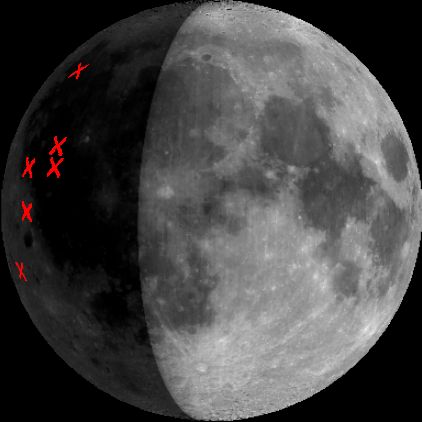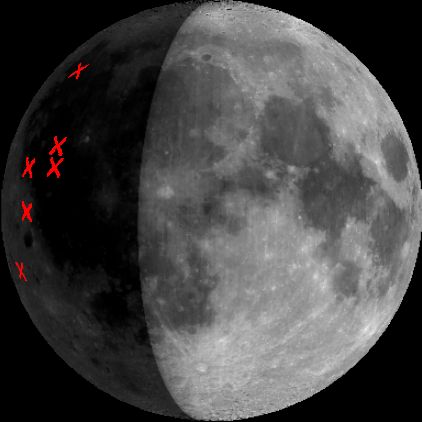
Craters produced by ancient impacts on the airless Moon have long been a familiar sight. But now observers have seen elusive optical flashes on the lunar surface - likely the fleeting result of impacting meteoroids. Orchestrated by David Dunham, president of the International Occultation Timing Association (IOTA), video recordings made with modest equipment and visual telescopic observations have, for the first time, detected and confirmed a total of six flashes on the Moon's dark side. The flashes, some initially as bright as a third magnitude star, were all seen within hours of the peak of this year's Leonid meteor shower. Their locations are indicated by the red Xs on this projection of the Moon as it appeared on the night of November 18. Similar flashes would have been difficult to see if viewed against the Moon's brightly lit portion. It has been estimated that the brightest flashes were made by meteoroids weighing around a tenth of a kilogram, resulting in lunar craters about one meter across. And ... the next chance to observe lunar impact flashes is coming up! Enterprising astronomers interested in long distance lunar prospecting should be monitoring the dark side of a nearly first quarter Moon during the Geminids meteor shower which will peak around December 13.
Los cráteres producidos por impactos antiguos en la Luna, desprovista de atmósfera, han sido durante mucho tiempo una visión familiar. Pero ahora los observadores han detectado esquivos destellos ópticos en la superficie lunar, probablemente el resultado efímero del impacto de meteoroides. Coordinadas por David Dunham, presidente de la International Occultation Timing Association (IOTA), grabaciones de vídeo realizadas con equipos modestos y observaciones telescópicas visuales han permitido, por primera vez, detectar y confirmar un total de seis destellos en la cara oscura de la Luna. Los destellos, algunos inicialmente tan brillantes como una estrella de tercera magnitud, fueron observados todos dentro de pocas horas del pico de la lluvia de meteoros de las Leónidas de este año. Sus ubicaciones están indicadas por las X rojas en esta proyección de la Luna tal como apareció la noche del 18 de noviembre. Destellos similares habrían sido difíciles de ver si se hubieran observado contra la porción iluminada de la Luna. Se ha estimado que los destellos más brillantes fueron producidos por meteoroides con una masa de aproximadamente una décima de kilogramo, generando cráteres lunares de aproximadamente un metro de diámetro. Y... ¡la próxima oportunidad de observar destellos de impactos lunares se aproxima! Los astrónomos emprendedores interesados en la prospección lunar a larga distancia deberían monitorear la cara oscura de una Luna en cuarto creciente casi completo durante la lluvia de meteoros de las Gemínidas, que alcanzará su máximo alrededor del 13 de diciembre.