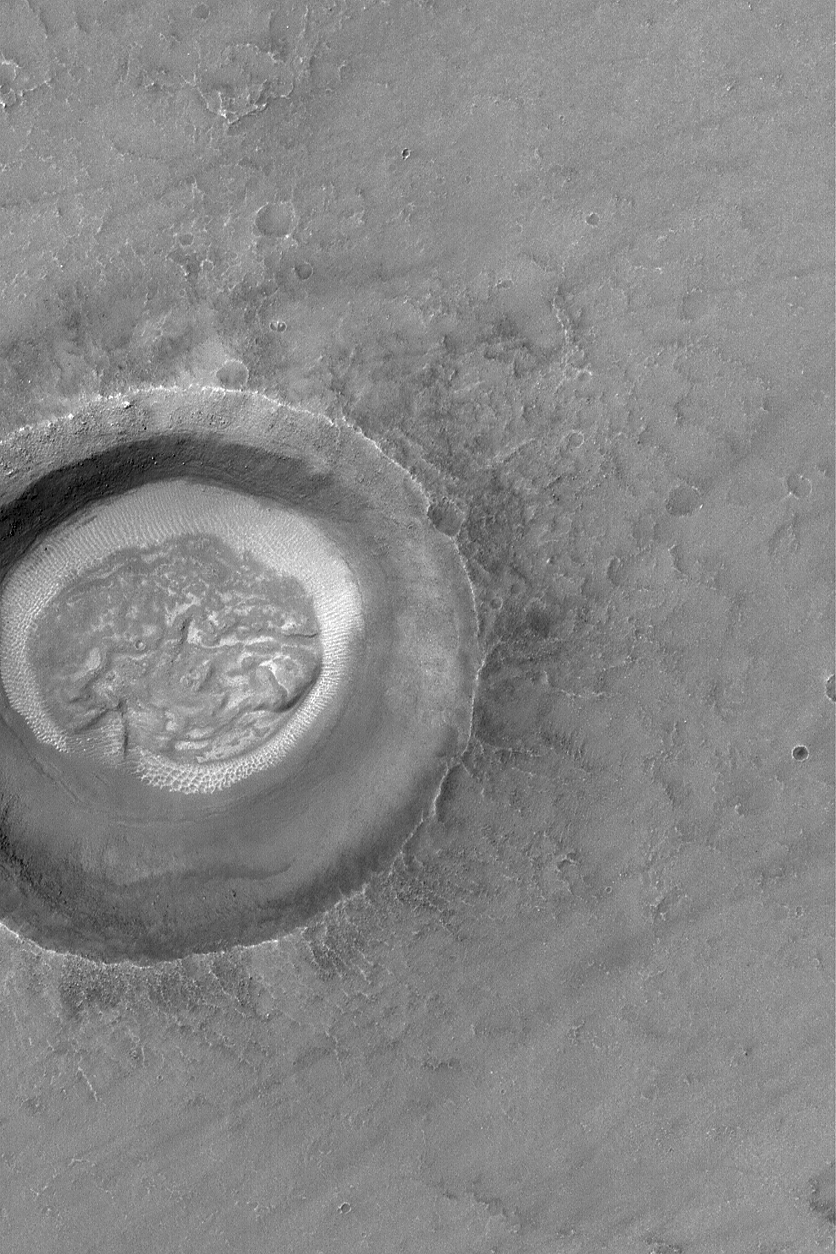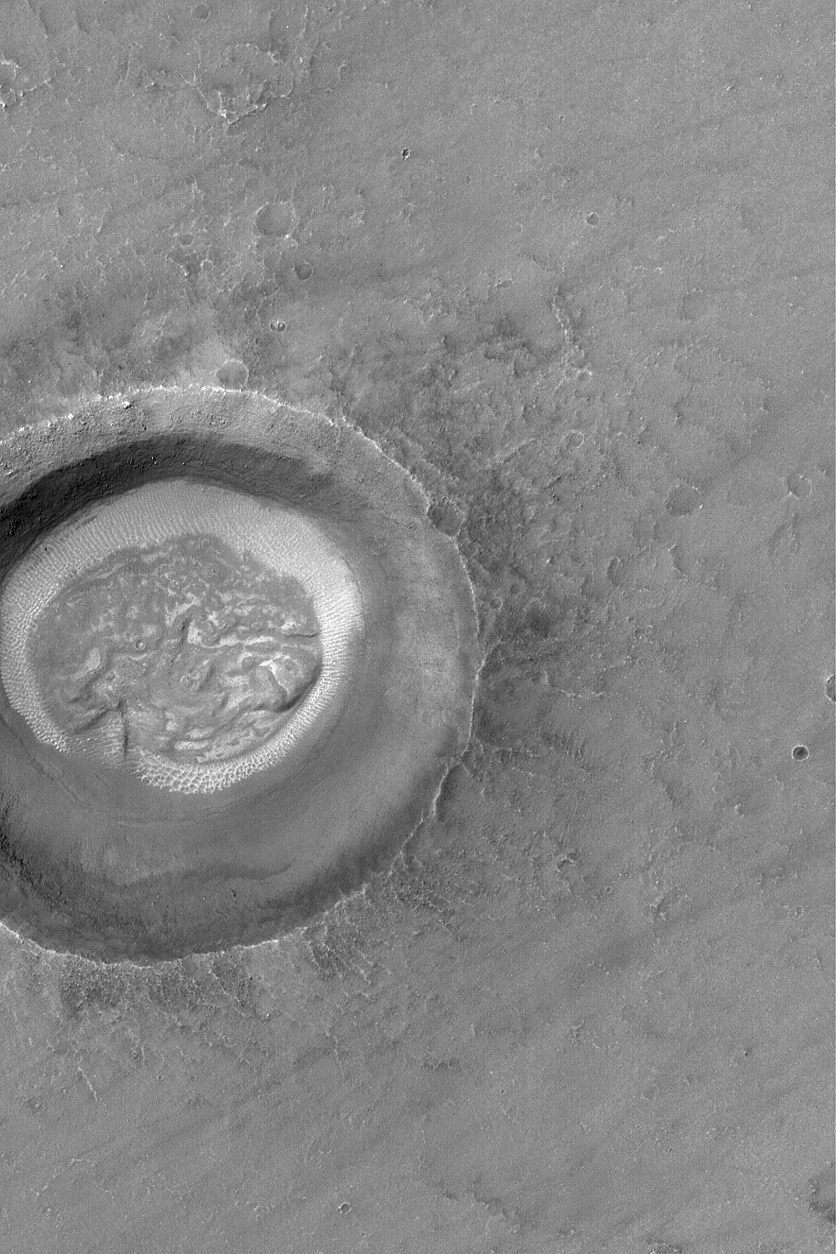
What caused this unusual looking crater floor on Mars? Appearing at first glance to resemble the human brain, the natural phenomena that created the unusual texture on the floor of this Martian impact crater are currently under investigation. The light colored region surrounding the brain-textured region is likely sand dunes sculpted by winds. The Mars Global Surveyor robot spacecraft that has been orbiting Mars since 1997 took the above image. Meanwhile, down on the surface, robots Spirit and Opportunity continue to roll, inspecting landscape, rocks, and soil for clues to the ancient watery past of the red planet. Humorously, this brain-terrain on Mars spans about a kilometer, making it just about the right size to fit inside the rock formation once dubbed the Face on Mars.
¿Qué causó esta inusual textura en el piso de un cráter marciano? Aunque a primera vista parece asemejar un cerebro humano, los fenómenos naturales que crearon esta textura inusual en el piso de este cráter de impacto marciano se encuentran actualmente bajo investigación. La región de color claro que rodea la región con textura cerebral probablemente consiste en dunas de arena esculpidas por los vientos. La sonda robótica Mars Global Surveyor, que ha estado orbitando Marte desde 1997, capturó la imagen anterior. Mientras tanto, en la superficie, los robots Spirit y Opportunity continúan desplazándose, inspeccionando el paisaje, rocas y suelo en busca de pistas sobre el pasado acuoso antiguo del planeta rojo. De manera humorística, este terreno con aspecto cerebral en Marte se extiende aproximadamente un kilómetro, lo que lo hace casi del tamaño adecuado para encajar dentro de la formación rocosa alguna vez llamada la Cara de Marte.